7 - 8 April 2027
13th KJP Paediatric Respiratory ConferenceBush House, Aldwych, London
The 13th KJP Paediatric Respiratory Conference will be held at Bush House, London. This is an opportunity for the paediatric respiratory community to meet in person, and we are delighted to bring the world’s leading experts together with healthcare professionals of all disciplines. Now in its 13th year, the KJP Paediatric Respiratory Conference, London is the largest paediatric respiratory event in Europe. This premier conference provides a brilliant opportunity for all health care professionals, with an interest in paediatric respiratory conditions, to interact and network.
With an outstanding reputation among professionals as the forum for sharing new information and discussing controversial issues about respiratory problems in children, this is an event not to be missed.
The areas covered include a broad range of paediatric respiratory disorders such as:
Asthma and allergies | Respiratory infections and their complications | Sleep disorders | Cystic fibrosis | Critical care | NIV / LTV | Neonatal lung diseases |Rare lung diseases | Spirometry | Oximetry | Advances in treatment | Plus many more.
The KJP Paediatric Respiratory Conference has an outstanding reputation among professionals as the ideal forum for sharing new research and discussing controversial issues. In 2027 we offered our usual ambitious and comprehensive programme, bringing global experts together in one place. As we prepared for our 13th Annual conference, we are humbled to provide one of the largest annual gatherings of multidisciplinary paediatric respiratory professionals in Europe. With time being our most valuable asset, we are incredibly grateful to you all for investing your precious time with us. In return, we hope that attending our lively conference is a truly memorable learning experience for you all, enabling you to return to the frontline inspired, motivated, and empowered.
ON-DEMAND REPLAY
12th KJP Paediatric Respiratory Conference — now available to watch on demand.
Missed a session? Want to revisit the highlights?
The 12th KJP Paediatric Respiratory Conference may be over, but the learning continues. Our on-demand replay platform gives you full access to the programme — every keynote, every parallel stream, every discussion — so you can revisit the moments that matter and explore the sessions you couldn’t attend live.
What you’ll get
Full access to recorded sessions
Including keynote lectures, expert panels, and selected parallel stream content.
All three parallel streams
No need to choose between sessions - watch everything, in your own time.
Expert Q&A and panel debate
Capture the nuance and practical insights from the live discussions.
Designed for busy clinicians
We understand the realities of clinical practice. The replay format lets you fit world-class education around your service commitments — not the other way around.
Learn at your own pace
Pause, revisit, and reflect on complex topics
Build CPD around shifts, on-calls, and family life
Access details
Availability - soon
Access period - 12 months
Devices - Watch on desktop, tablet, or mobile - wherever you are
Why choose replay?
- Catch every session across all three streams
- Reinforce learning from the highest-yield talks
- Strong evidence for CPD, appraisal, and revalidation
- Share insights with colleagues, trainees, and your wider team
Who is it for?
The KJP replay is built for the full paediatric respiratory community:
- Consultant paediatricians and respiratory specialists
- Trainees and fellows across paediatrics and sub-specialties
- Specialist nurses, physiotherapists, and allied health professionals
- Anyone with a clinical or academic interest in paediatric respiratory medicine
Inside the 12th KJP
This year’s conference brought together leading voices in paediatric respiratory medicine to deliver:
- Cutting-edge updates across asthma, sleep, infection, and chronic lung diseasePractical, case-based teaching grounded in real-world clinical scenarios
- Multidisciplinary perspectives from medicine, nursing, and allied health
- Insights you can take back to clinic on Monday morning
What delegates said
Drawn from the post-conference evaluations submitted by delegates across the UK and internationally.
4.7 / 5
Average rating for meeting learning needs
%
Would recommend KJP to a colleague
%
Said the conference will change their clinical practice
Flexible access options
- Replay only
Full on-demand access to the 12th KJP programme. - Live + replay bundle
Live attendance plus replay (recommended) - coming for the next KJP. - Institutional access
Group and departmental licences available on request.
How it works
- Register for replay access via the booking link below.
- Receive your secure login details by email within one working day.
- Sign in and start watching - on any device, on your schedule.
Continue the learning
KJP isn’t designed simply to inform - it’s designed to change practice. With on-demand access, you can revisit the content, deepen your understanding, and translate the conference into real clinical impact for the children and families you care for.
Experience the full 12th KJP programme - on your schedule.
Highlights from 12th KJP Paediatric Respiratory Conference 2026
A huge thanks to all of the speakers, presenters, delegates and exhibitors who helped make KJP Conference 2026 such a special event. Below are just a few of the highlights from a packed two days.
The Colin Wallis Prize
Best Poster Presentation
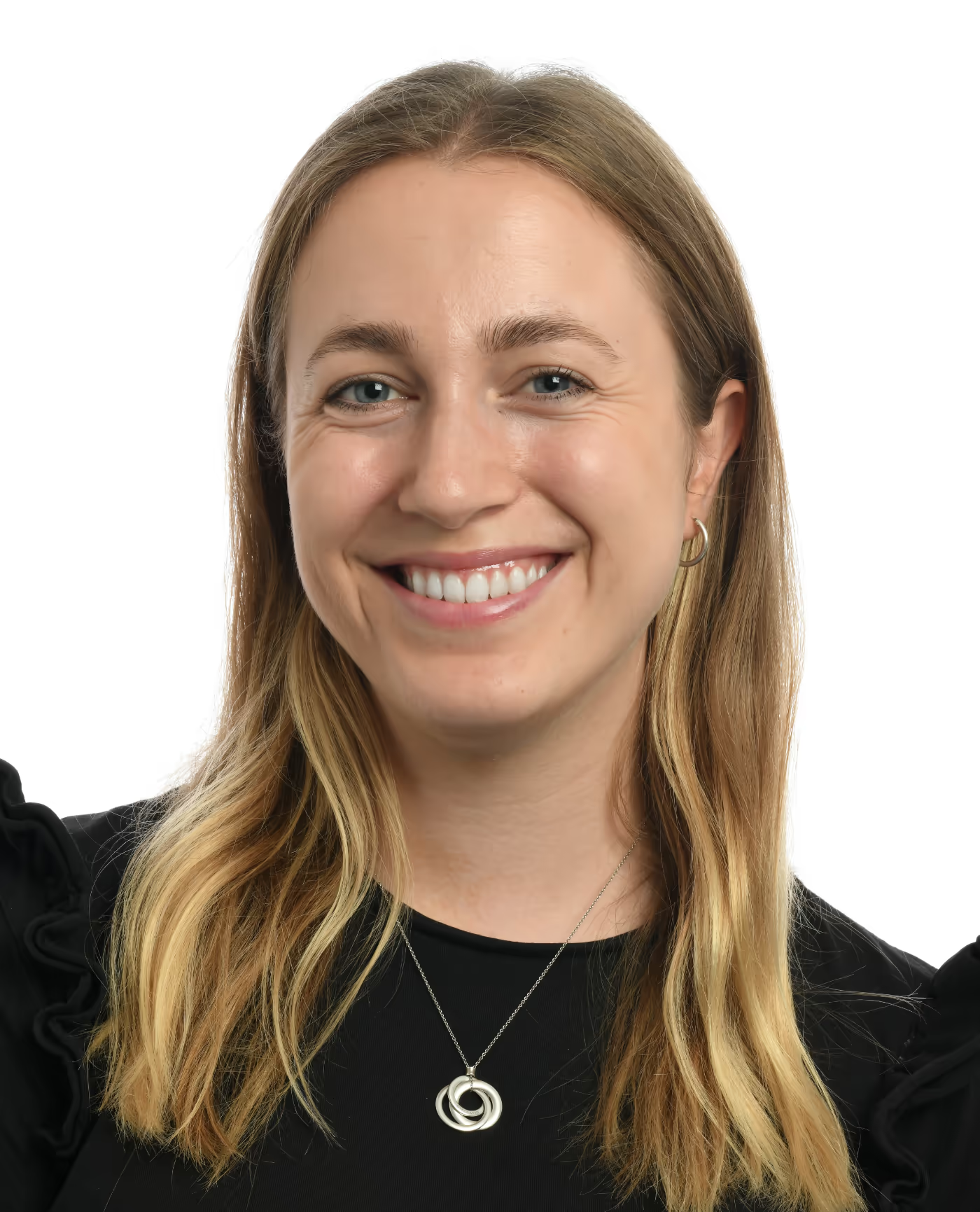
Dr Elena Rybka
Poster title
Community Diagnostic Centres as novel pathways for diagnosis of children and young people with asthma.
Project summary
The updated BTS/SIGN/NICE guideline recommends objective testing for all children and young people aged 5-16 years in the diagnosis of asthma. Access to these in primary care settings is limited. Imperial College Healthcare NHS Trust (ICHT) has developed Community Diagnostic Centres (CDC) to support objective testing of children with suspected asthma who otherwise do not require a referral to secondary care.
We evaluated the pathway at Willesden CDC over a 3-month period. We looked at electronic referrals and reports alongside an electronic survey of GP referrers and telephone survey of parents.
In this timeframe 163/170 GP referrals were accepted and 57 patients underwent testing. Overall, 76% had a positive objective test. 40.4% had FeNO ≥35 ppb; 62.5% of those with obstructed spirometry pattern (n=8) demonstrated bronchodilator reversibility (BDR). 32% had eosinophil count ≥0.5 x10⁹/L. Out of patients who underwent feasible skin prick testing 68% had a positive test to house dust mite (HDM).
Sixteen families participated in the telephone survey. 62.5% said the visit had helped them better understand or manage their child’s breathing symptoms and 44% had been started on a new treatment since their visit.
Three electronic GP feedback forms were completed. 66.7% felt confident interpreting the CDC report and 100% agreed that the report helped them diagnose or rule out a diagnosis of asthma in their patient.
This evaluation demonstrates the diagnostic value and positive perceptions of the Willesden CDC. We continue to evaluate and improve the service through ongoing communication with patients, families, and GPs. Through satellite diagnostic centres we aim to avoid unnecessary hospital referrals and improve diagnosis in line with the updated BTS/SIGN/NICE guidelines.
The Colin Wallis Prize
Best Oral Presentation
Dr Katie Bonner
Title
Lower airway immunophenotyping reveals distinct clusters of severe preschool wheeze described by neutrophil phenotypes
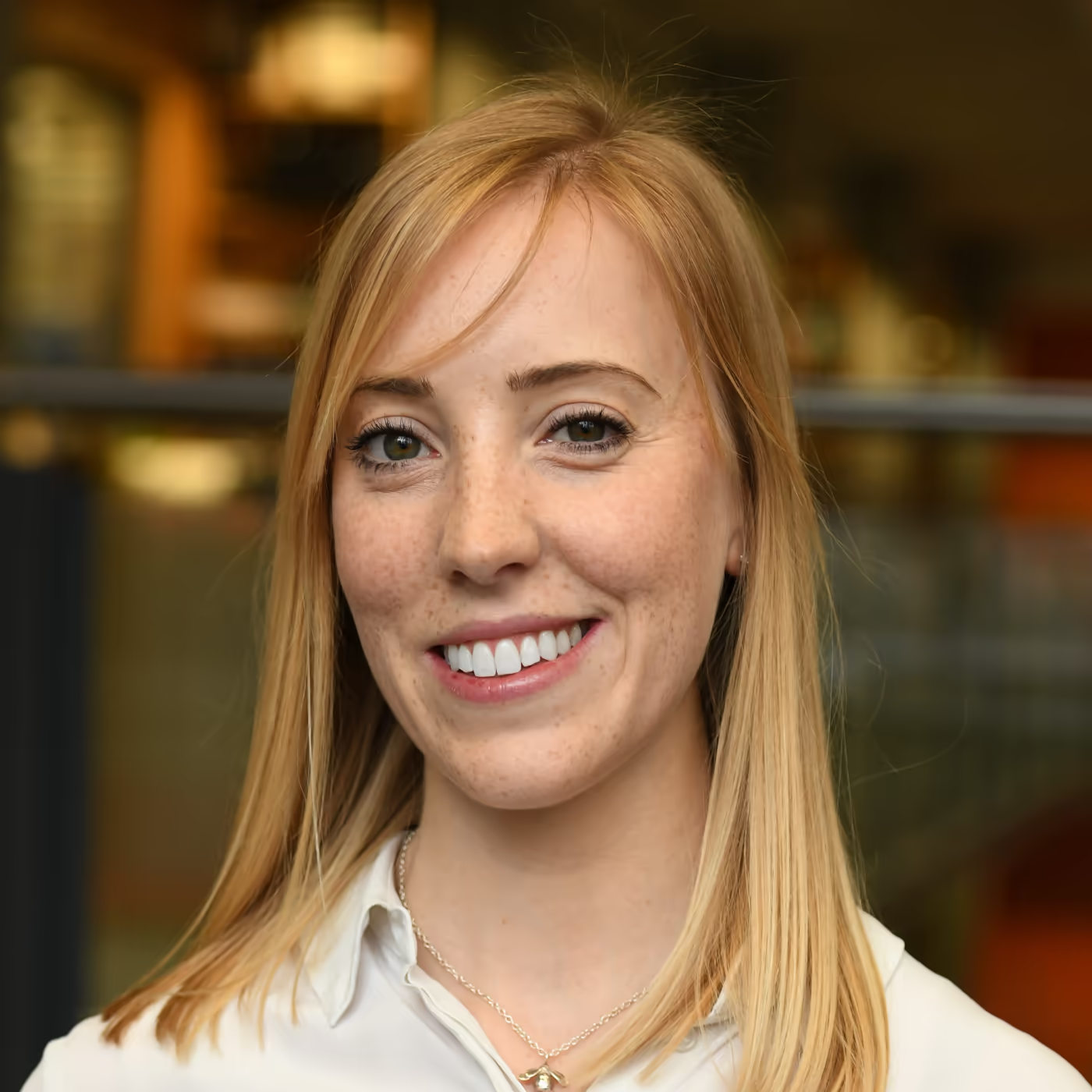
Our research focuses on recurrent severe wheezing (RSW) in preschool age children. While some have aeroallergen sensitisation and/or raised blood eosinophils and tend to respond to maintenance inhaled corticosteroids (ICS), over half have a poor response to ICS and little is known about their lower airway infection and inflammation phenotype. Four previous studies in children with RSW identified clusters with neutrophilic inflammation on bronchoalveolar lavage (BAL) cytology, and suggested infection and/or neutrophilia may be treatable traits, but none characterised lower airway neutrophil phenotype or function. We recruited 106 children with RSW aged 1–5 years who were undergoing clinical phenotyping and bronchoscopy, then performed multi-parameter flow cytometry of blood and BAL to characterise leukocytes, assessments of lower airway infection, and unsupervised statistical analysis.
Bacterial infection was associated with activated neutrophils, defined by low CD62L and CXCR2 surface expression. Some children without airway bacterial infection also had high (up to 50%) BAL neutrophils, but these had high CD62L and CXCR2 expression. Data-driven analysis revealed 3 clusters: Cluster 1, airway infection predominant with CD62Llo neutrophils; Cluster 2, eosinophil/lymphocyte rich with CD62Lhi neutrophils; Cluster 3, low infection rate with CD62Lhi neutrophils. The clusters were independent of clinical features, prescribed ICS, antibiotics and aeroallergen sensitisation.
Using detailed lower airway immune characterisation with unsupervised cluster analyses for the first time in this RSW group, we revealed clusters with distinct lower airway neutrophil subtypes. Further studies are needed to determine whether these clusters predict response to treatment in intervention trials.
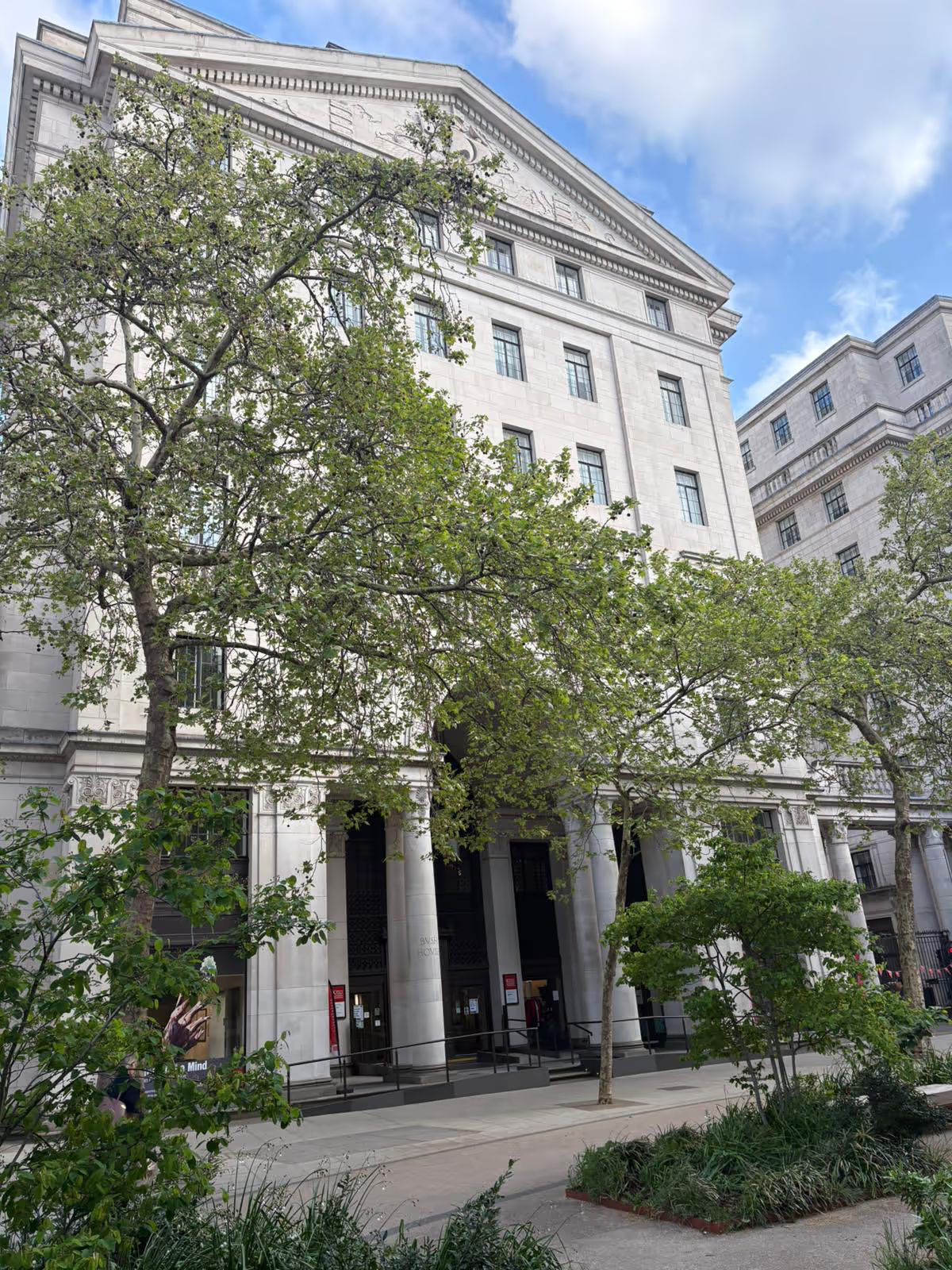
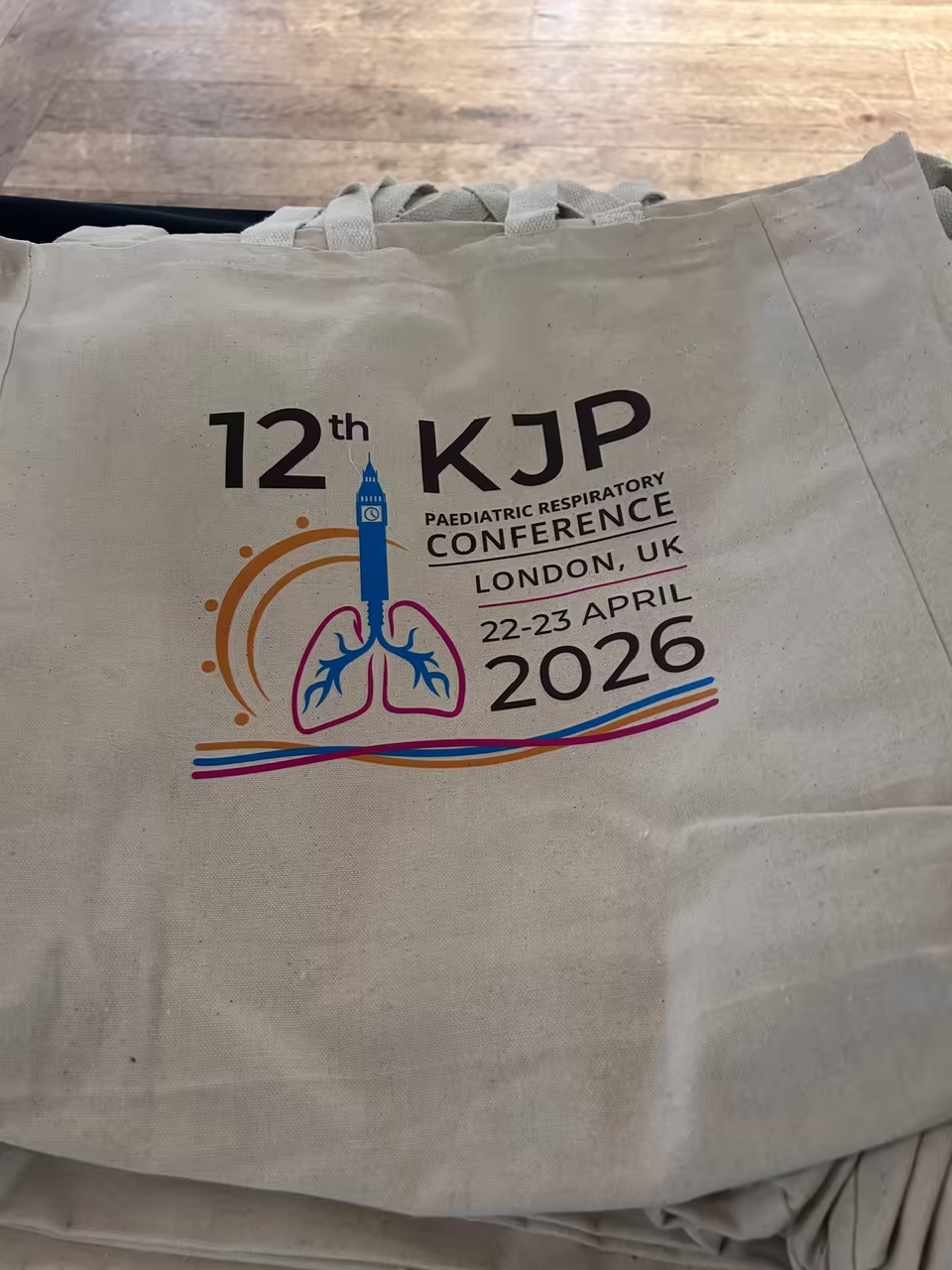
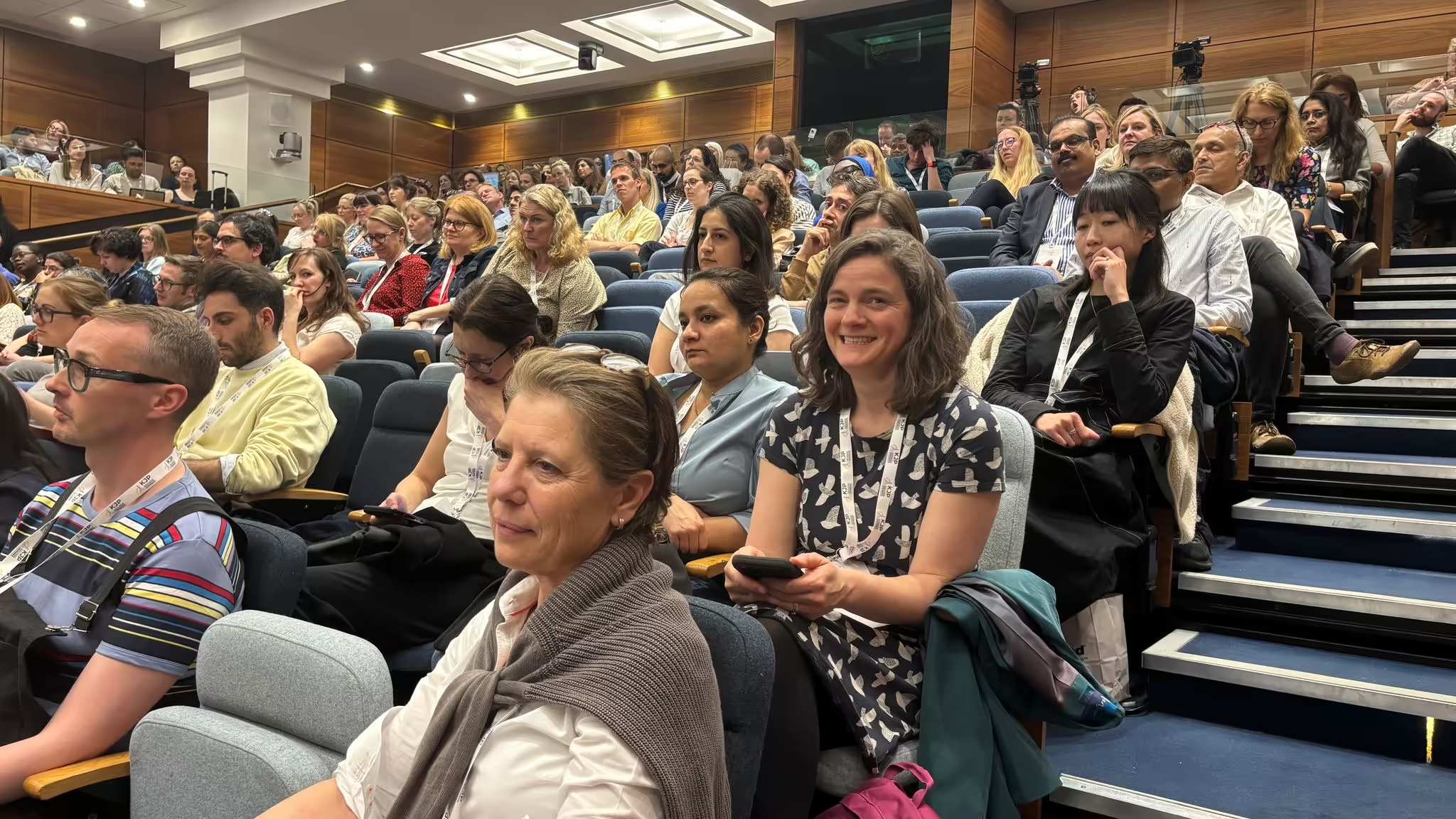
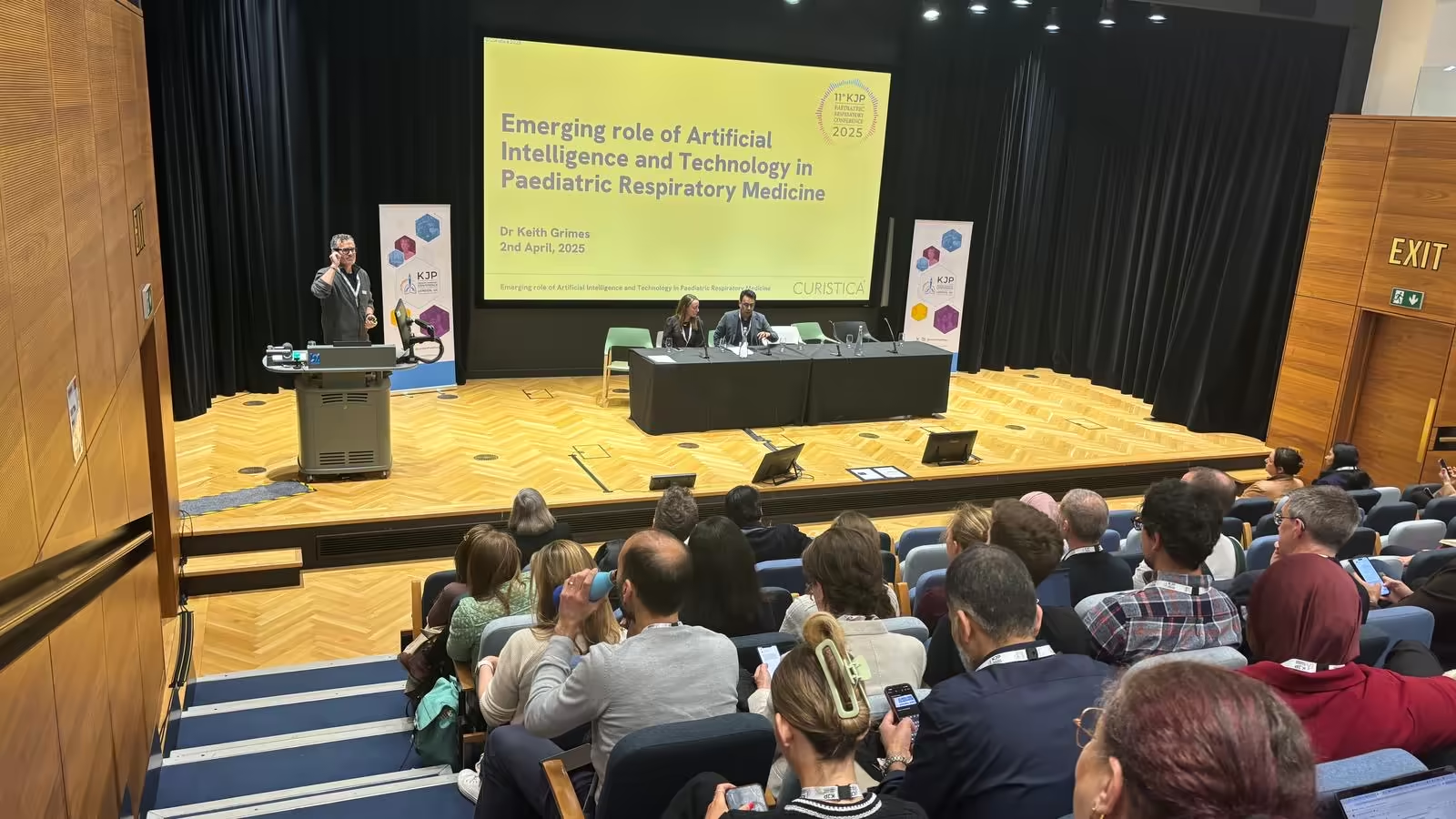
Every April, we return to the historic and striking Bush House to host the KJP Paediatric Respiratory Conference. 2026 is our 12th anniversary, and we welcomed over 600 delegates to the vibrant two-day hybrid event. Even the TfL strikes couldn’t dampen the energy and enthusiasm.
Highlights from day 1
22 April 2026
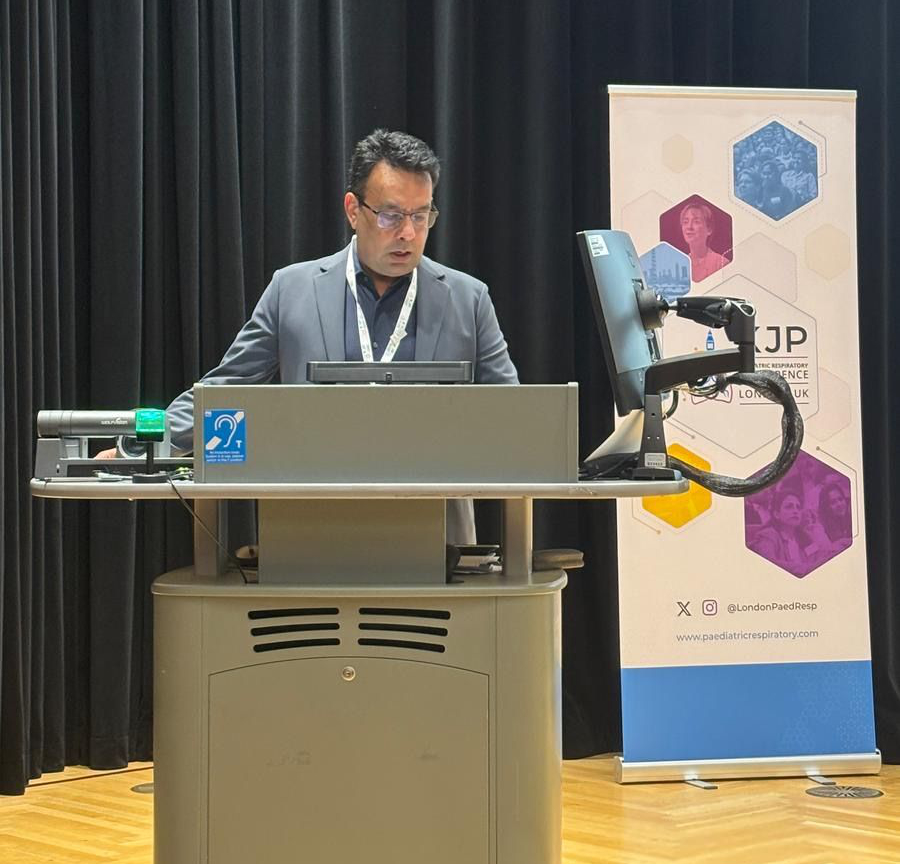
After a warm welcome from our conference directors, Prof Atul Gupta and Dr Kat Harman, the conference kicked off with a stellar keynote session.
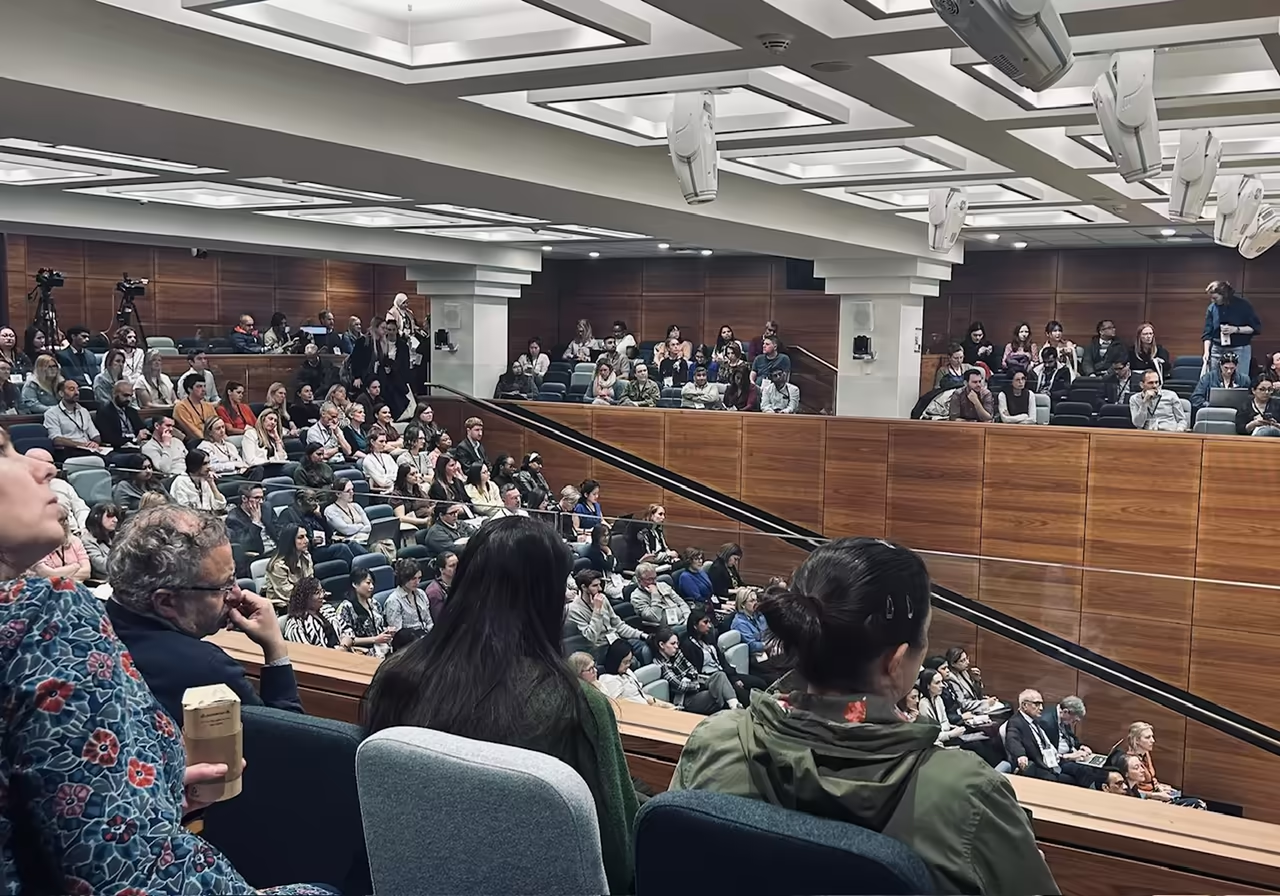
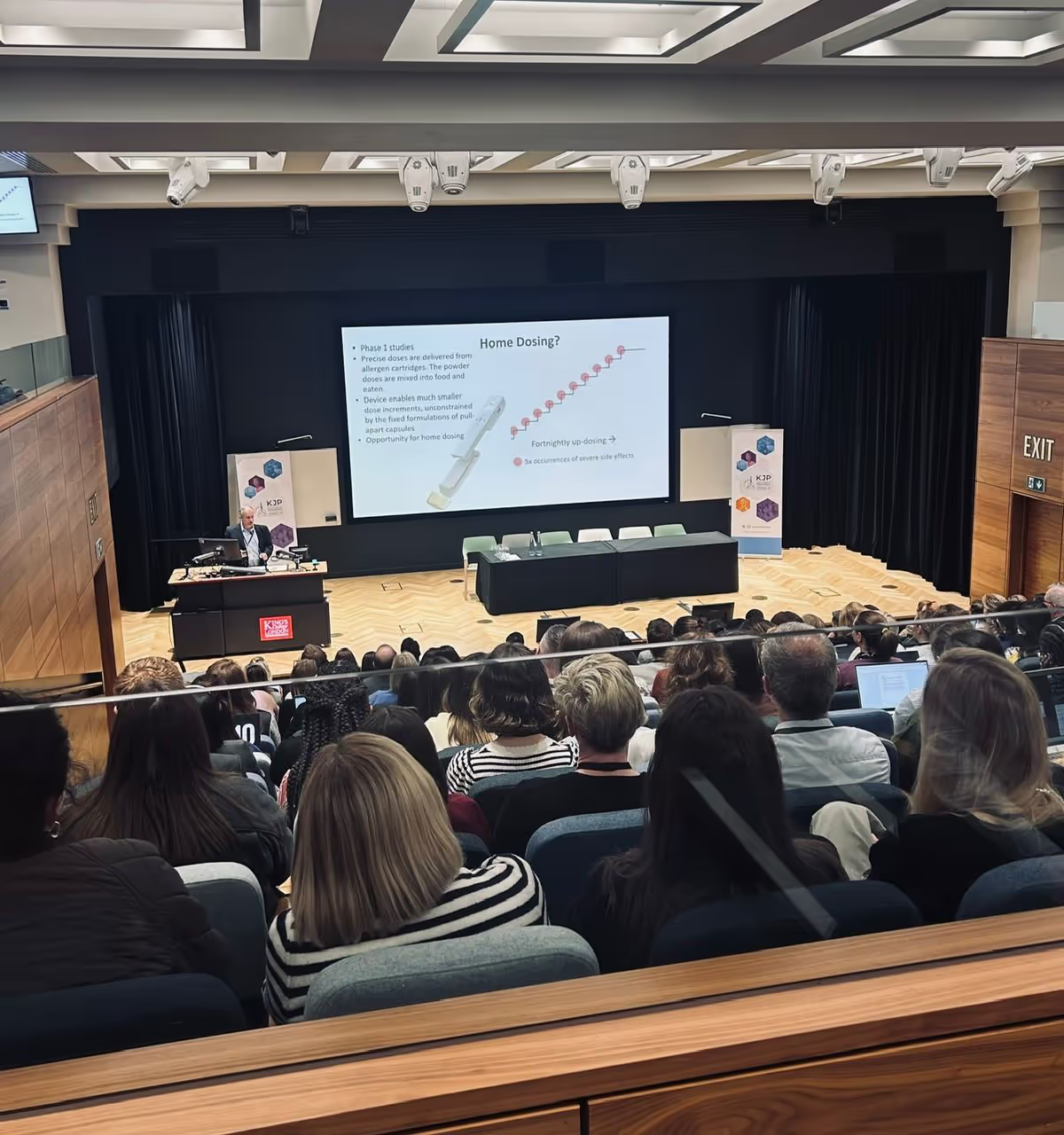
Prof Adam Fox OBE shared the latest developments in food allergy management, Prof Sailesh Kotecha explored the evolving definitions and phenotypes of prematurity-associated lung disease, and Prof Andy Bush challenged us to think beyond the Developmental Origins of Health and Disease, highlighting how even grandparents’ lifestyles can impact on future generations.
Following a nourishing breakfast (our team is divided as to whether the granola and honey or smoothies were most to die for!), delegates moved into three parallel streams packed with hot topics — making choices was a challenge for many; the fear of missing out was real for some!
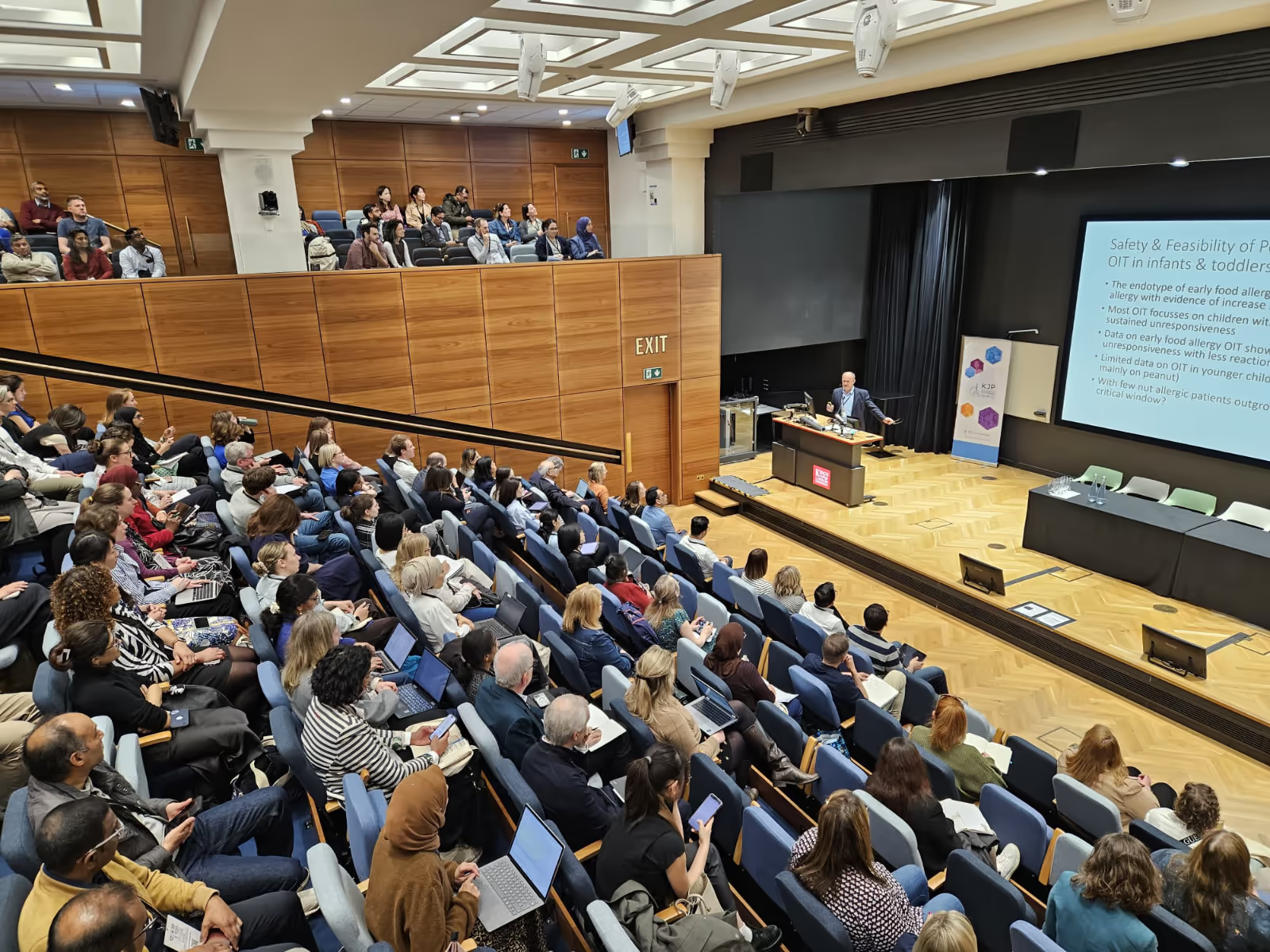
For those keen to continue the allergy theme, Dr Nicola Brathwaite discussed how environmental allergies drive asthma. Asthma remained a key focus throughout the day: Prof Sejal Saglani and Dr Lee Hatter delivered a thought-provoking session on phenotyping preschool wheezers and the shift towards AIR therapy. A lively and good-humoured debate between Prof Ian Sinha and Dr Ross Langley examined the new NICE/BTS/SIGN guideline closely, prompting discussion about its practicality, cost effectiveness, and real-world impact.
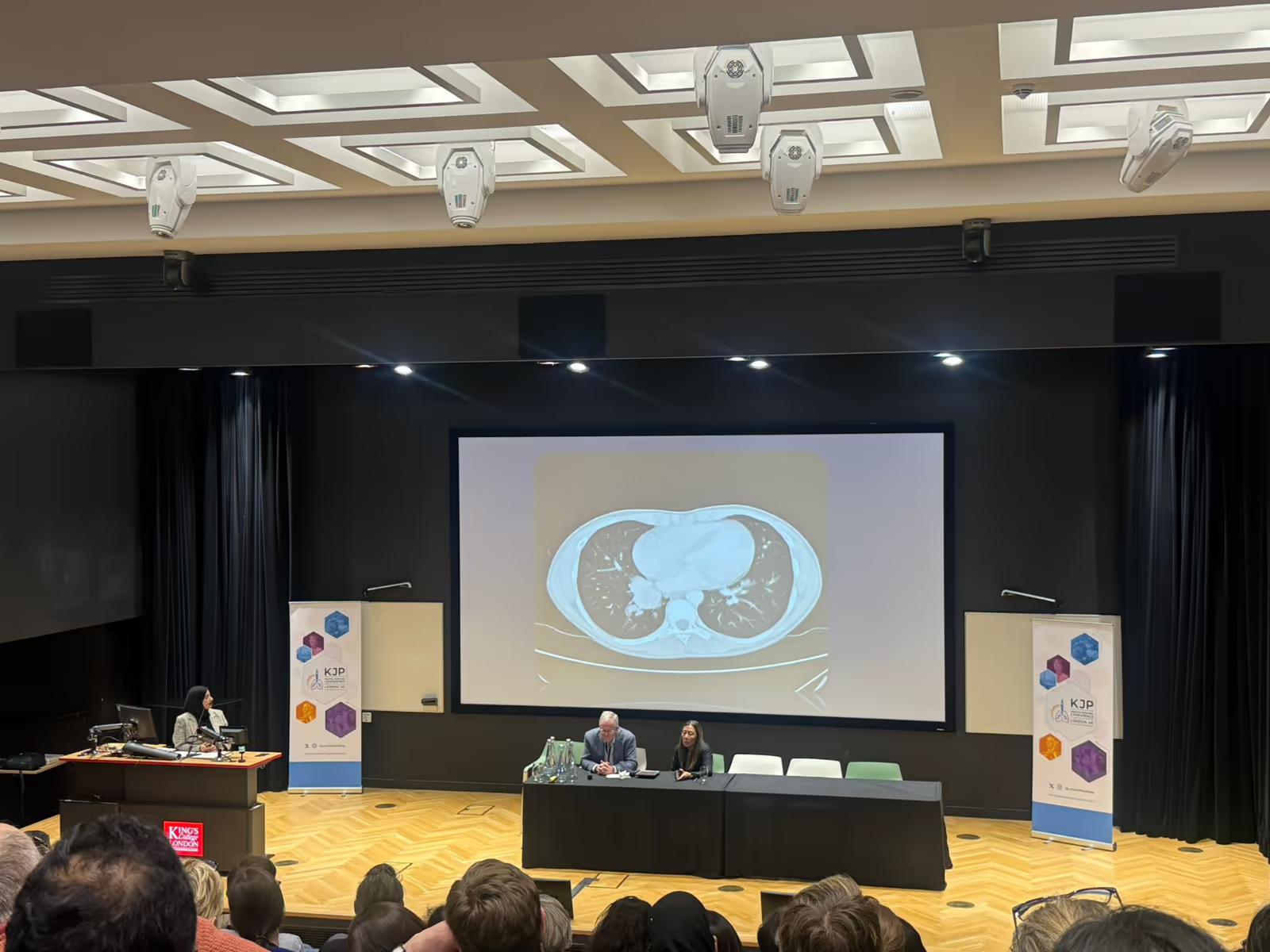
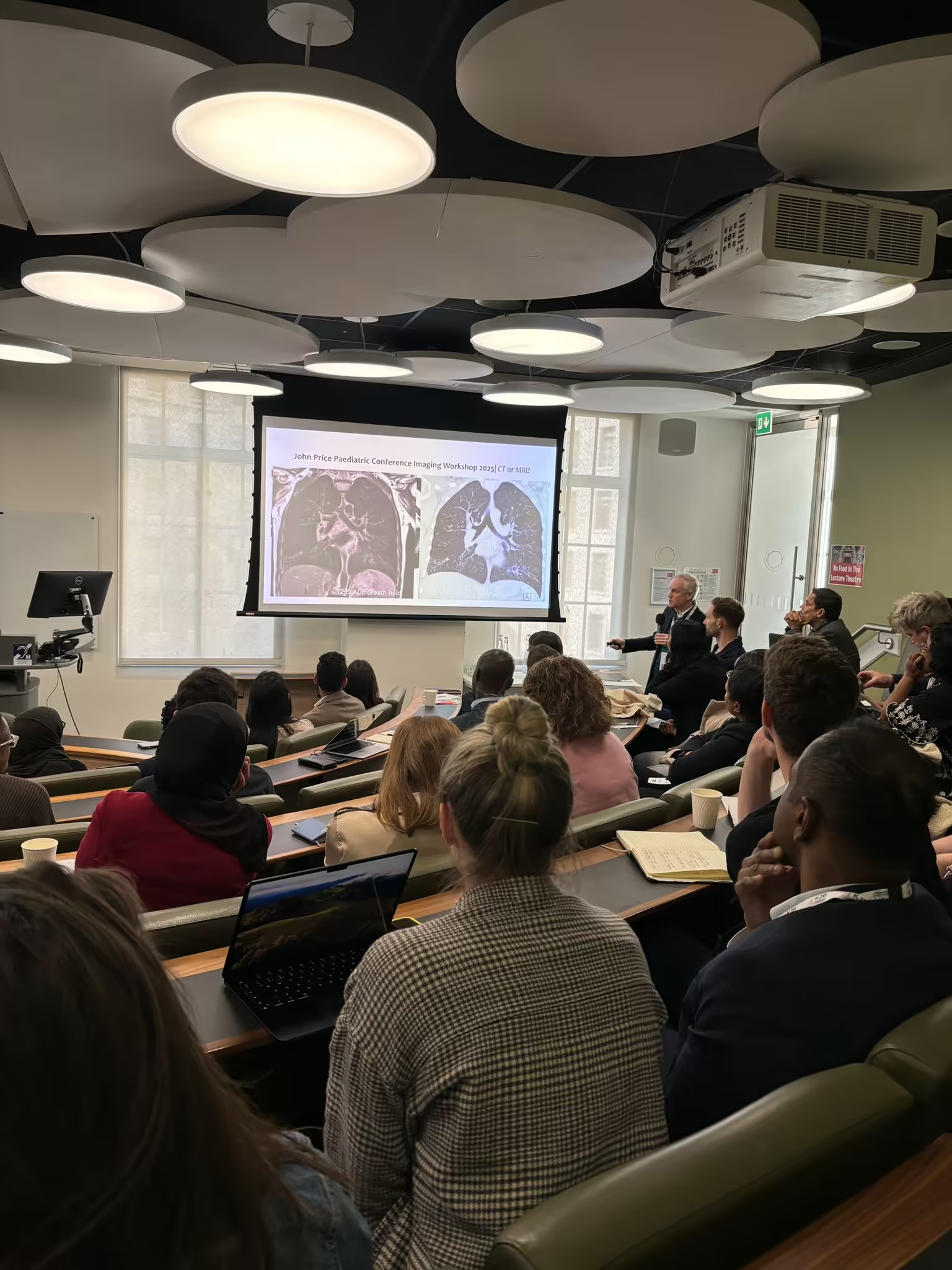
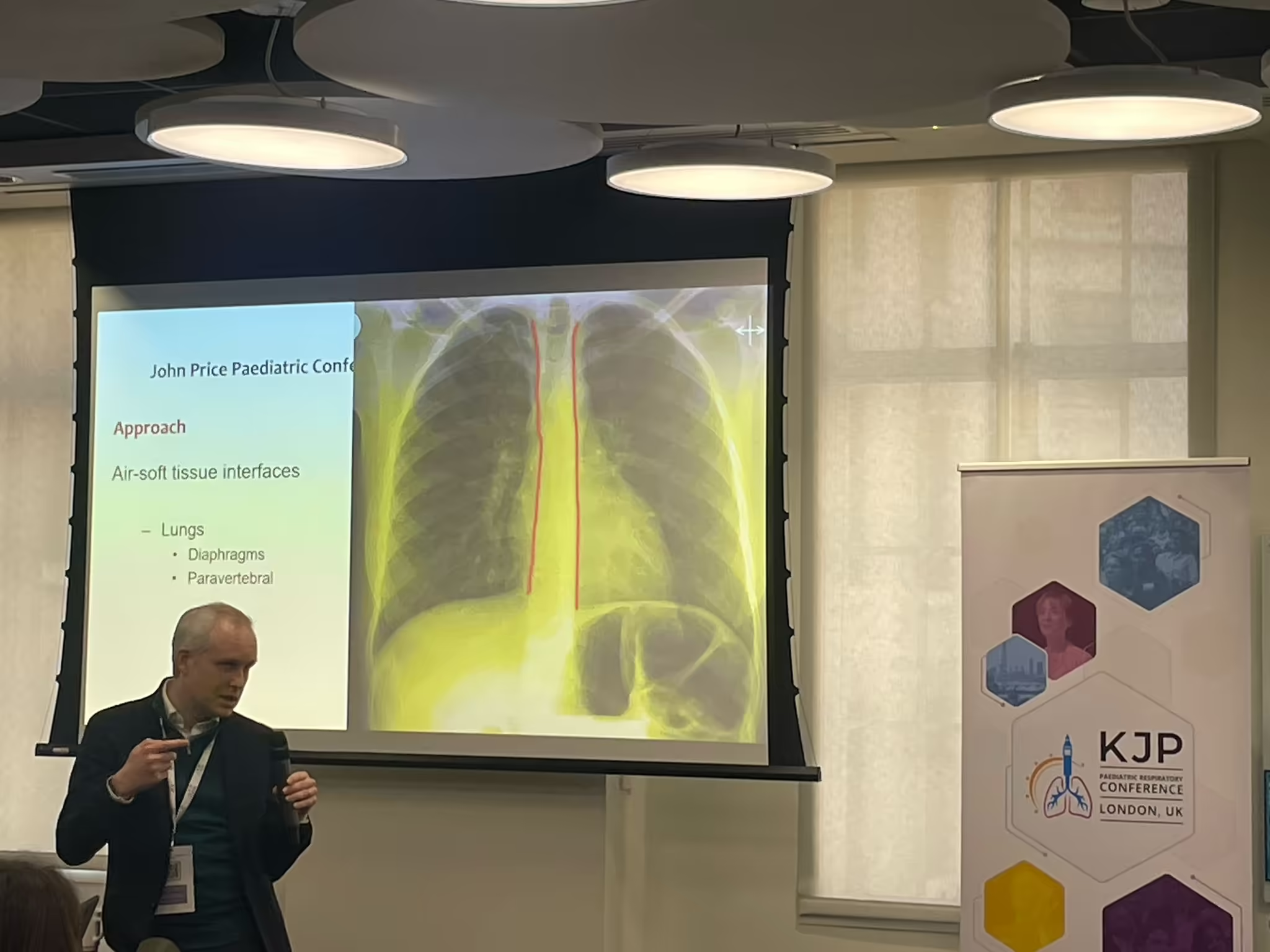
The popular radiology workshop returned by demand, with an infection theme this year, led by Dr Saira Haque, Dr Tom Semple, and Dr Alistair Calder. They reminded us that London is a global city with TB rates to match, & encouraged local delegates to liaise to ensure the optimal imaging modality & location are used for patients with immunocompromise or complex infection.
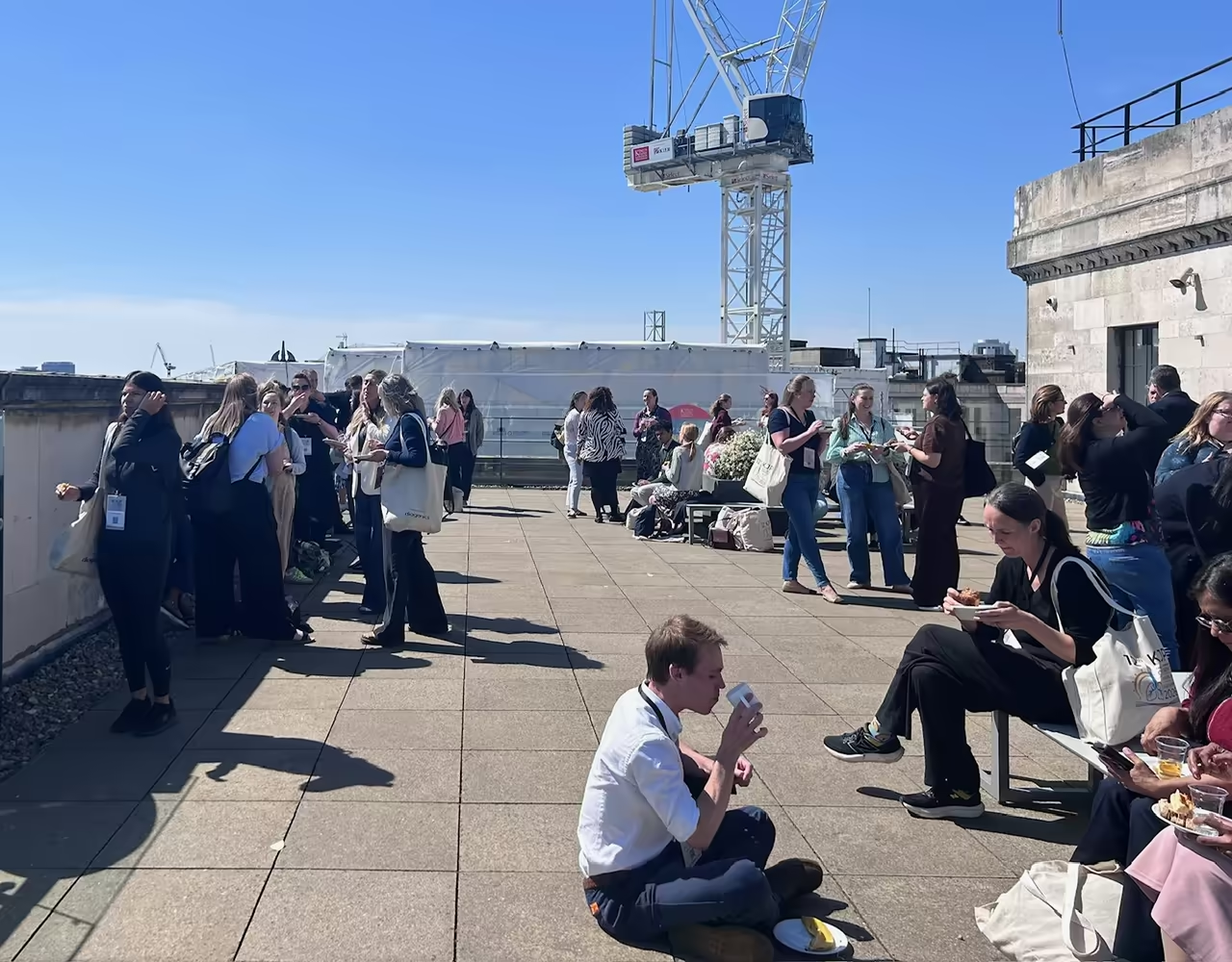
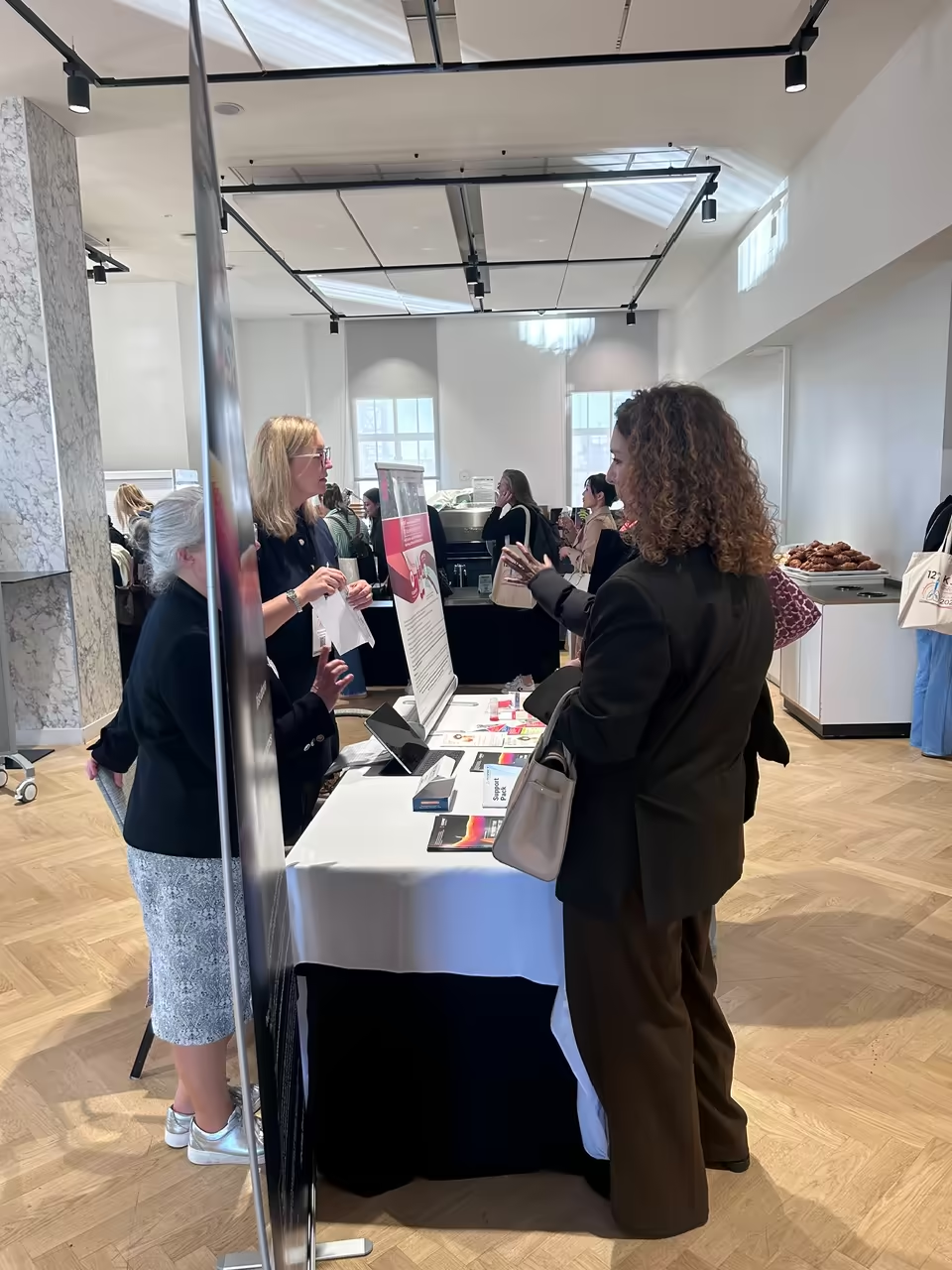
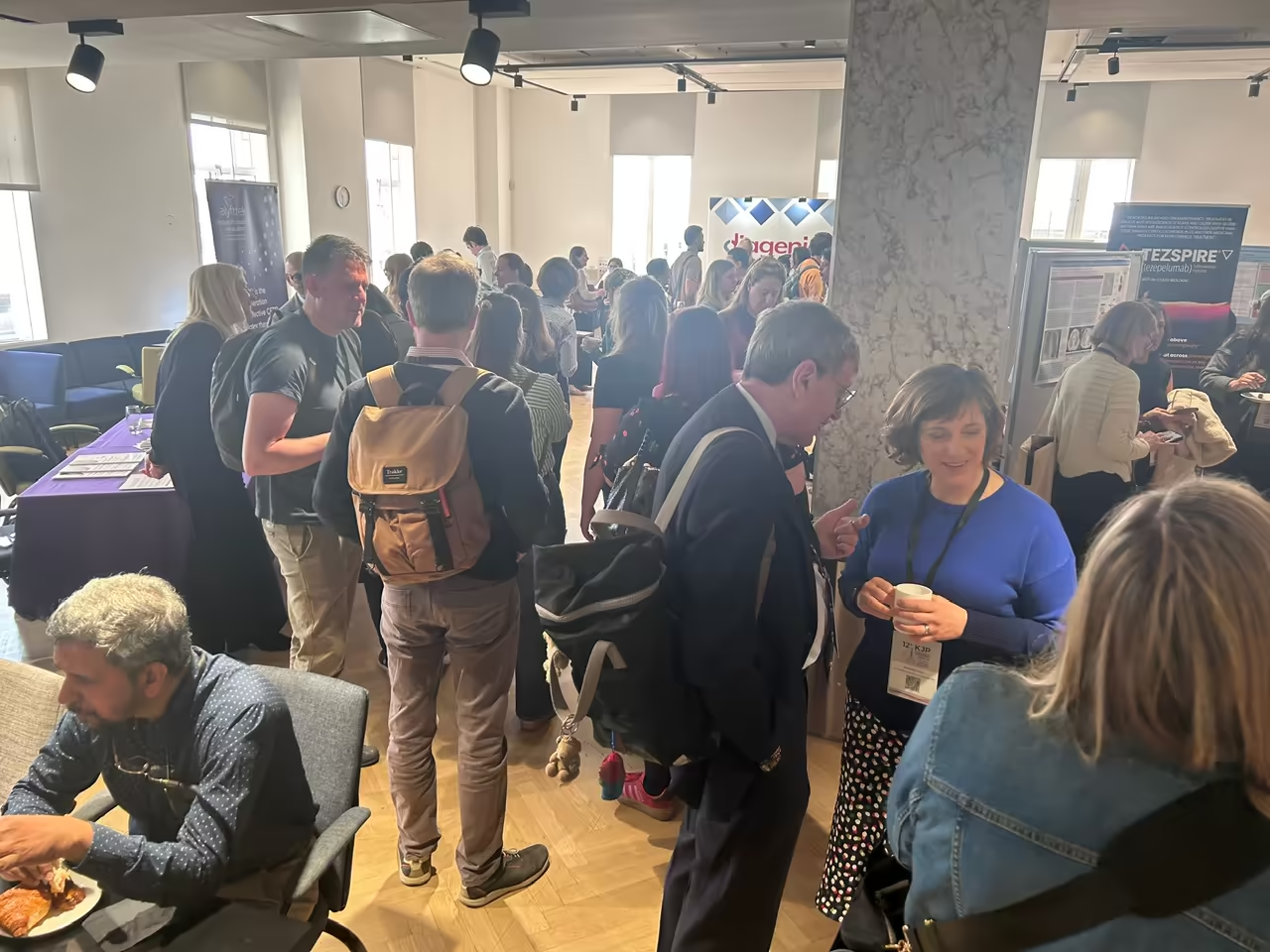
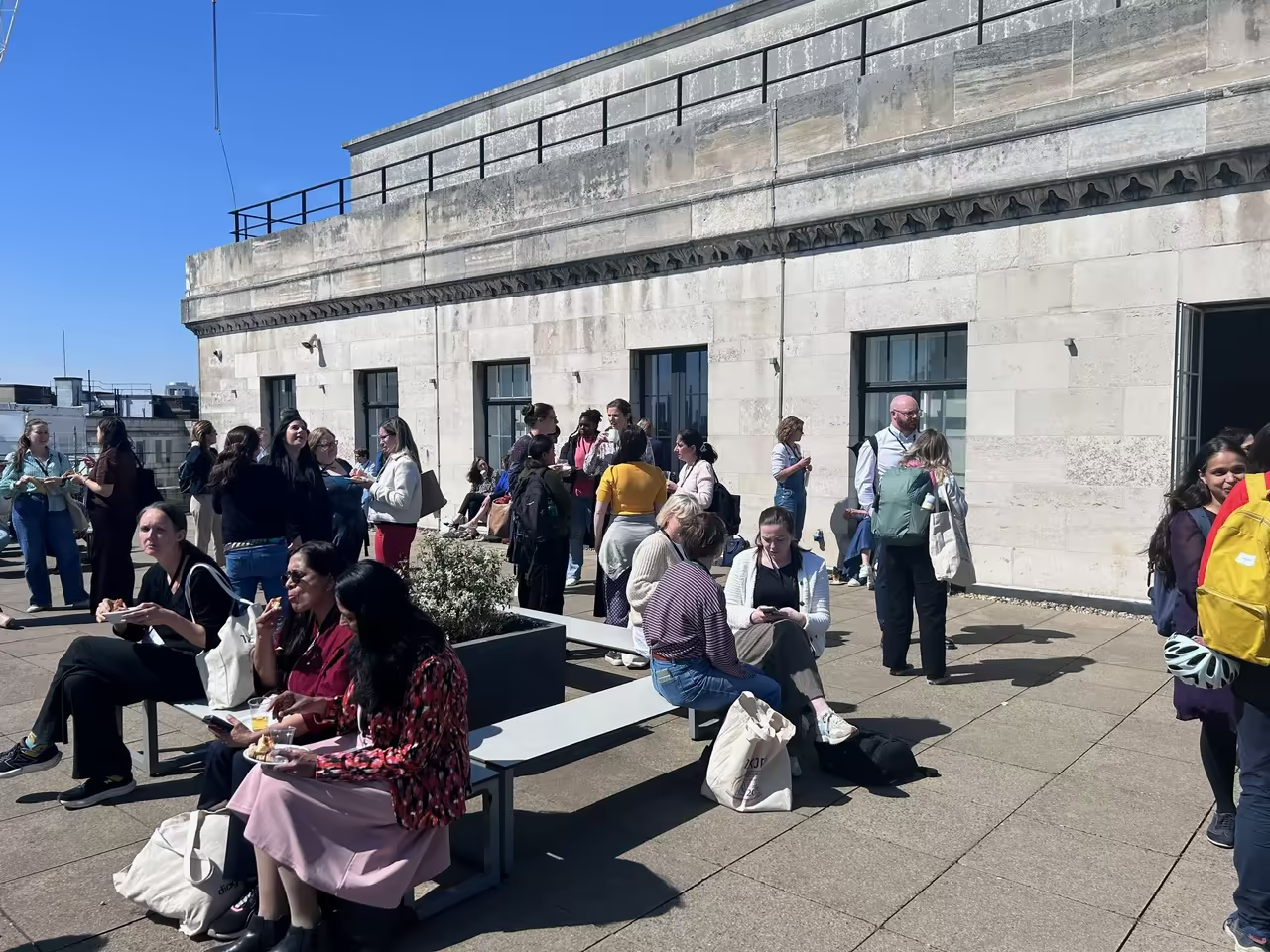
Over lunch on the sunny terrace, delegates recharged, reconnected with colleagues, explored exhibitions, and engaged with high quality posters showcasing rare diseases, innovative services, and impactful quality improvement projects.
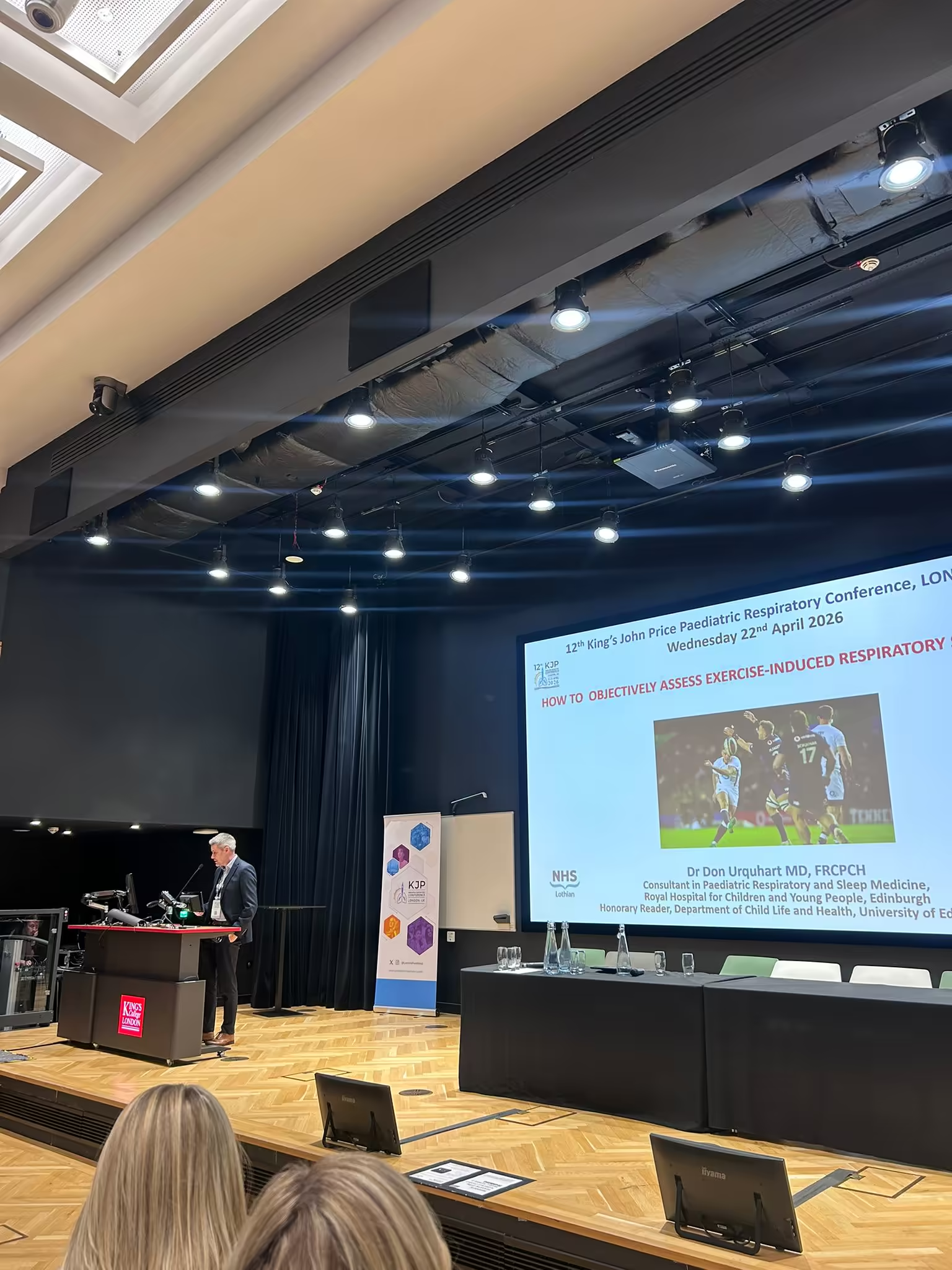
The afternoon sessions turned to future innovations in lung health. RCPCH President Prof Steve Turner spoke about prioritising and advocating for children’s respiratory health. Dr Uddhav Vaghela, surgeon turned entrepreneur, introduced to us the potential of AI in delivering unbiased, fatigue-free patient communication. Bringing the focus back to the practice we are more familiar with, Dr Don Urquhart discussed exercise-induced respiratory problems, distinguishing between asthma, dysfunctional breathing, and EILO.
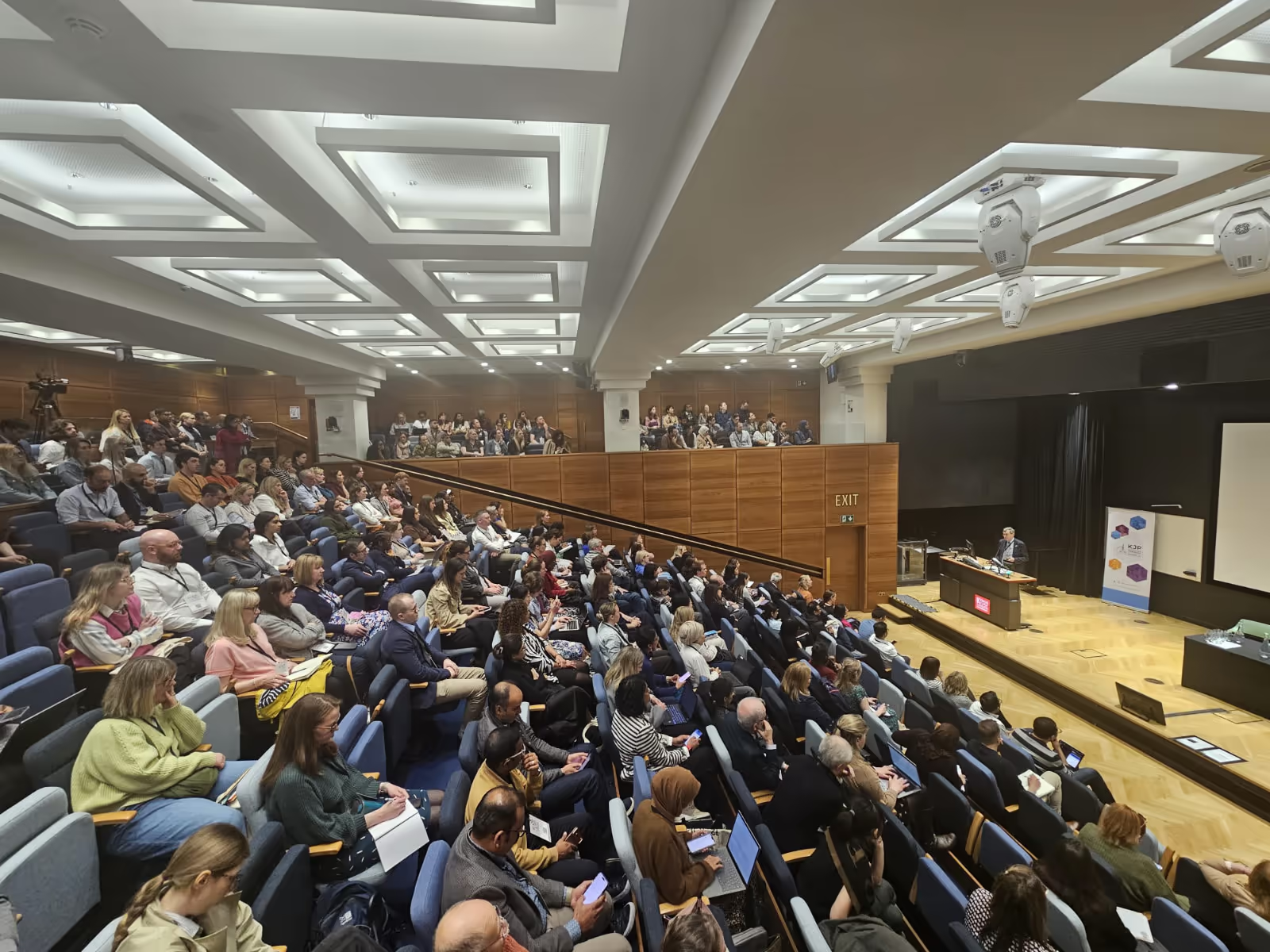
In parallel, Prof Surinder Birring, Dr Stefan Unger, and Prof Amelia Shoemark highlighted how collaboration across the life span is needed. They emphasised that chronic cough in children requires investigation & management to prevent future bronchiectasis. Whilst in adults, the cough itself may be the pathology presenting new insights into treating cough via airway nerves. They left us pondering how to tell who will be susceptible to post infective bronchiolitis obliterans.
A third stream focused on early life lung diseases and congenital conditions. A second engaging debate, led by Dr Chris Grime and Prof Sailesh Kotecha, examined the use of inhaled corticosteroids in bronchopulmonary dysplasia. Dr James Cook explored the complex decision making in congenital pulmonary malformations, then Dr Cara Bossley closed the session with a highly practical guide to flying with oxygen and ventilators.
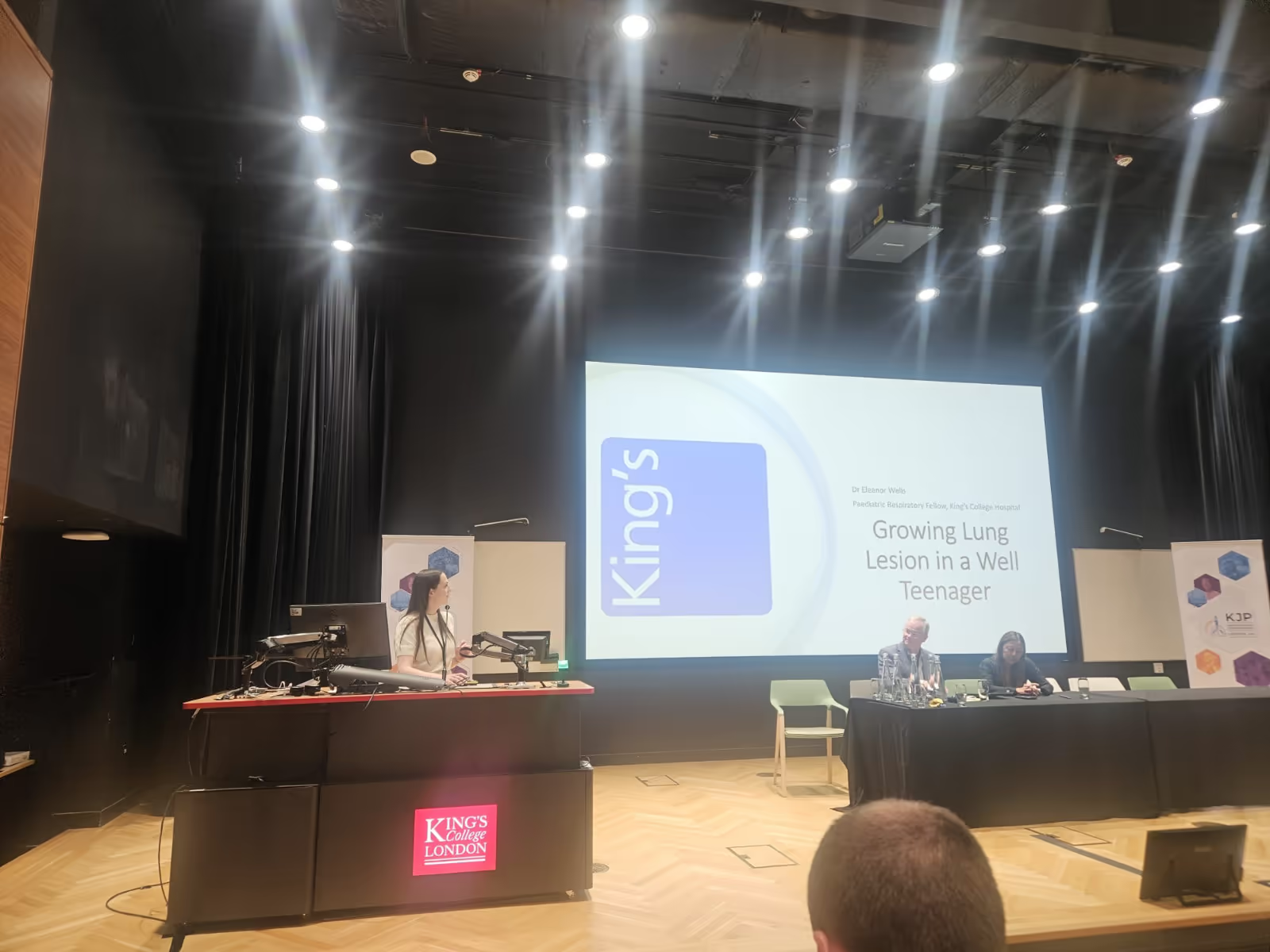
The day concluded with the much-anticipated grand round featuring challenging cases, including pulmonary sarcoidosis, metastatic endobronchial carcinoid tumour, and a progressive lung lesion.
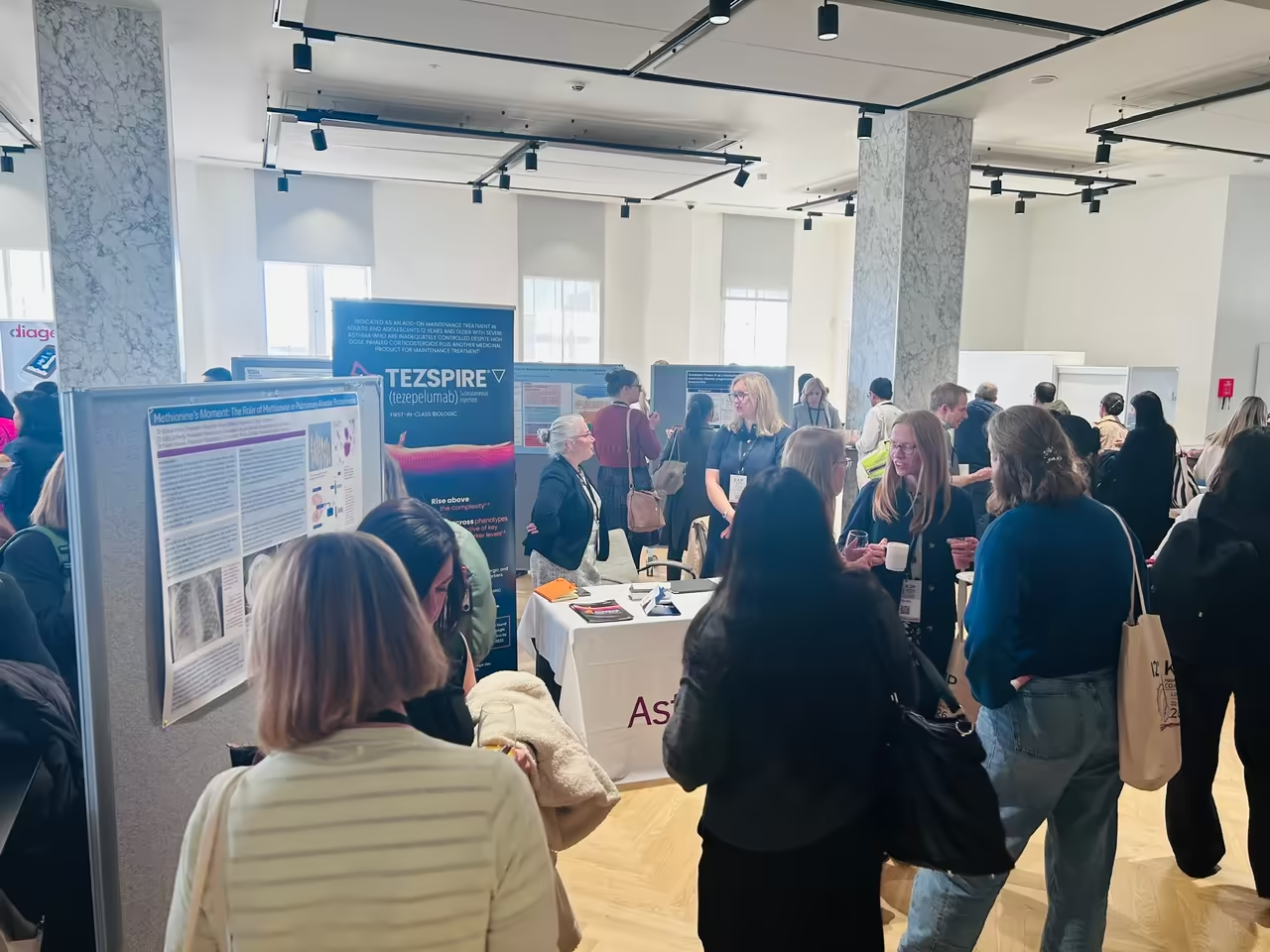
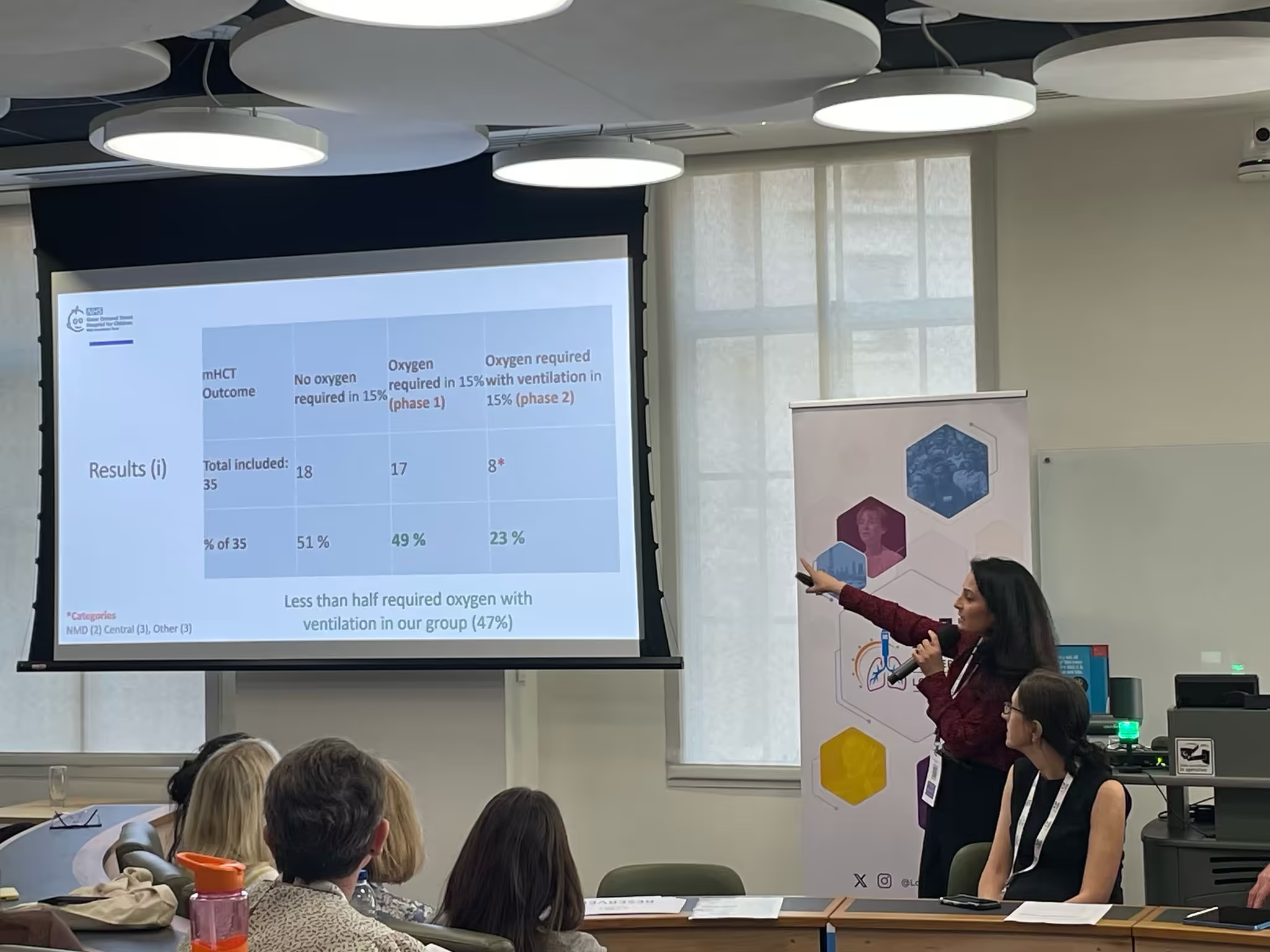
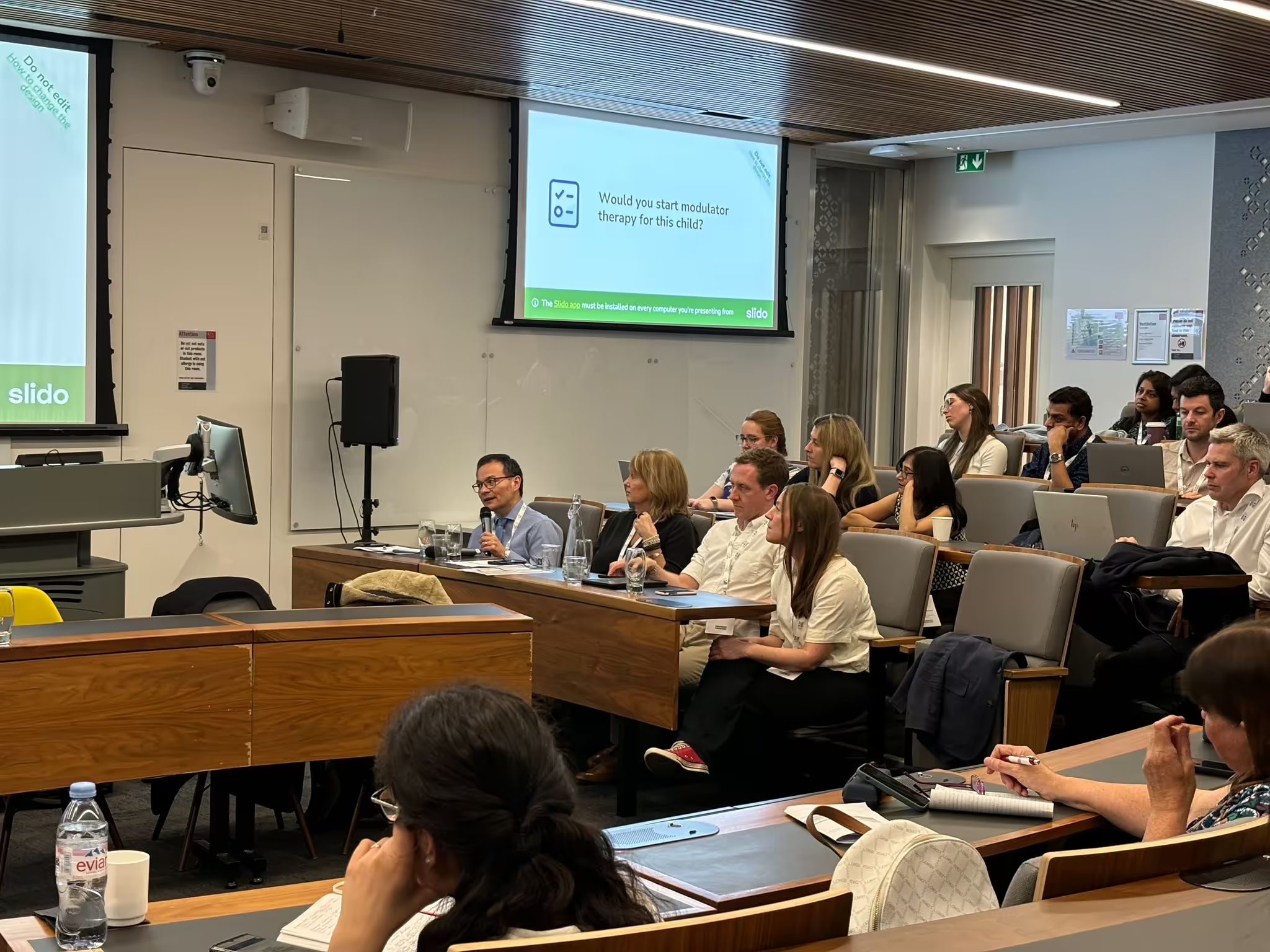
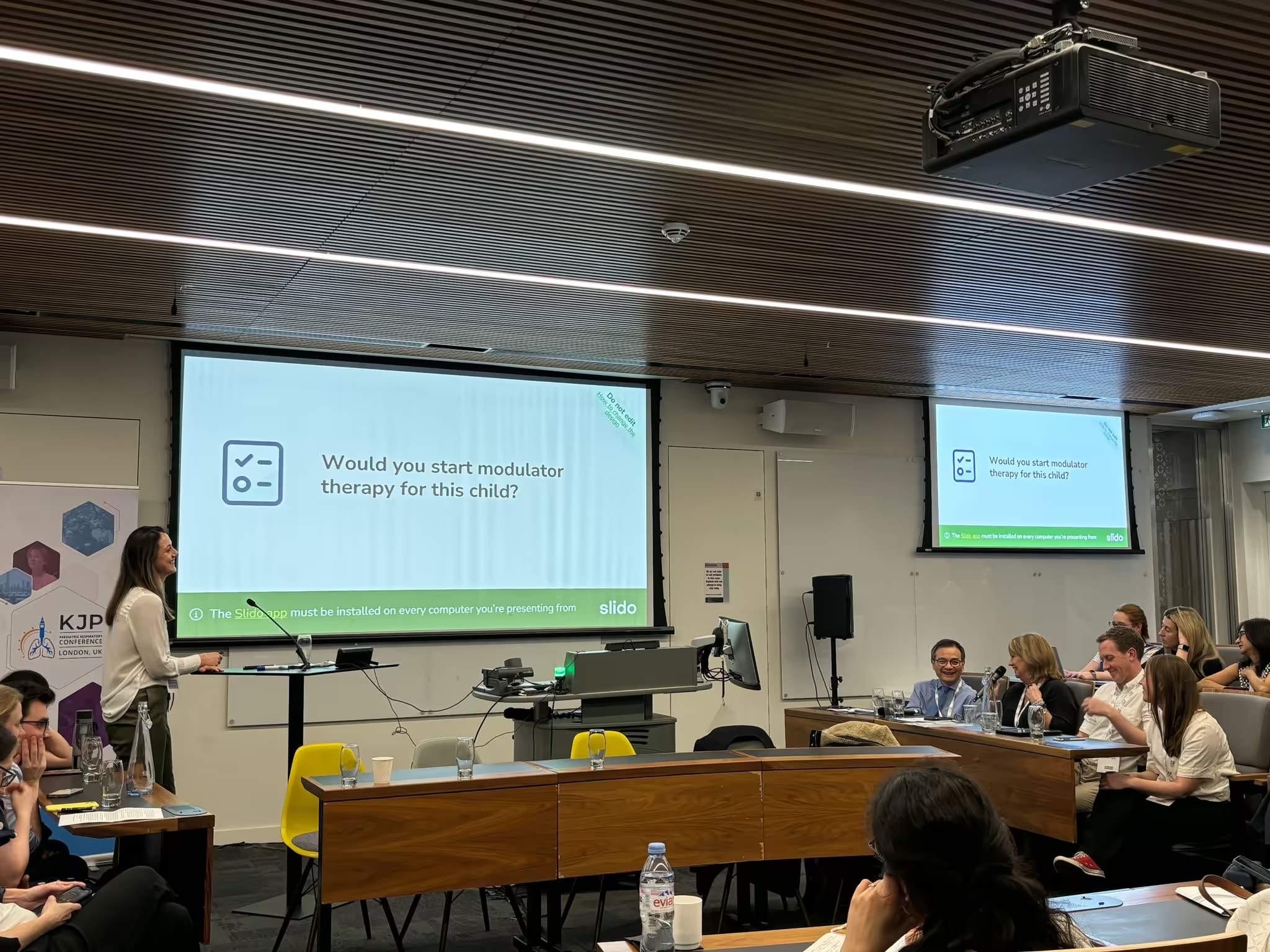
Simultaneous poster sessions in the arcade and top floor produced timekeeping challenges for the session chairs as the thought-provoking topics meant delegates wanted to continue discussing issues raised well beyond the allocated two minutes, such as managing CEW on CF modulators
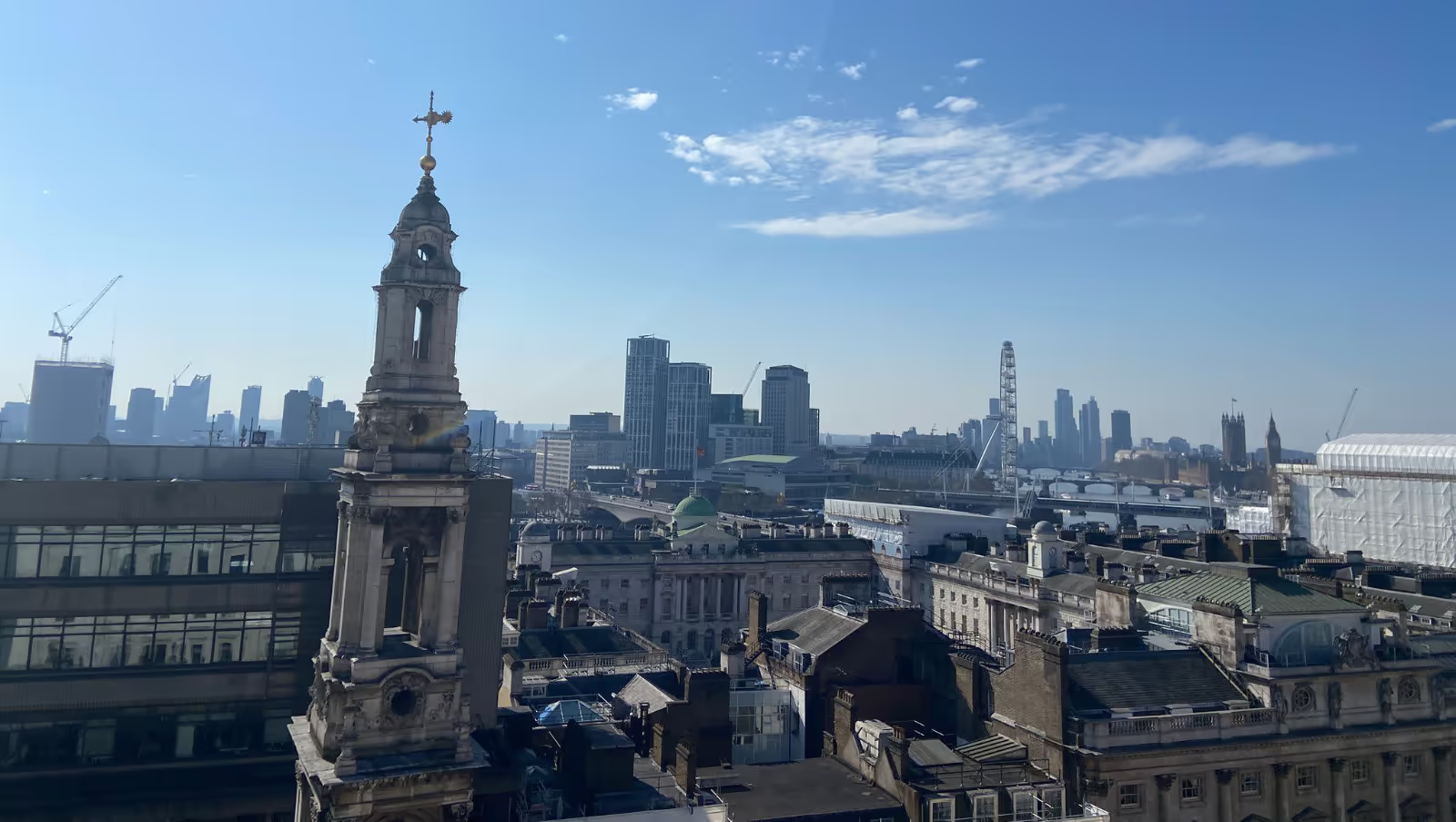
After a full day of learning and networking, delegates unwound in the sunshine over some gin and fizz, while admiring the panoramic view of London on the terrace

Highlights from day 2
23 April 2026
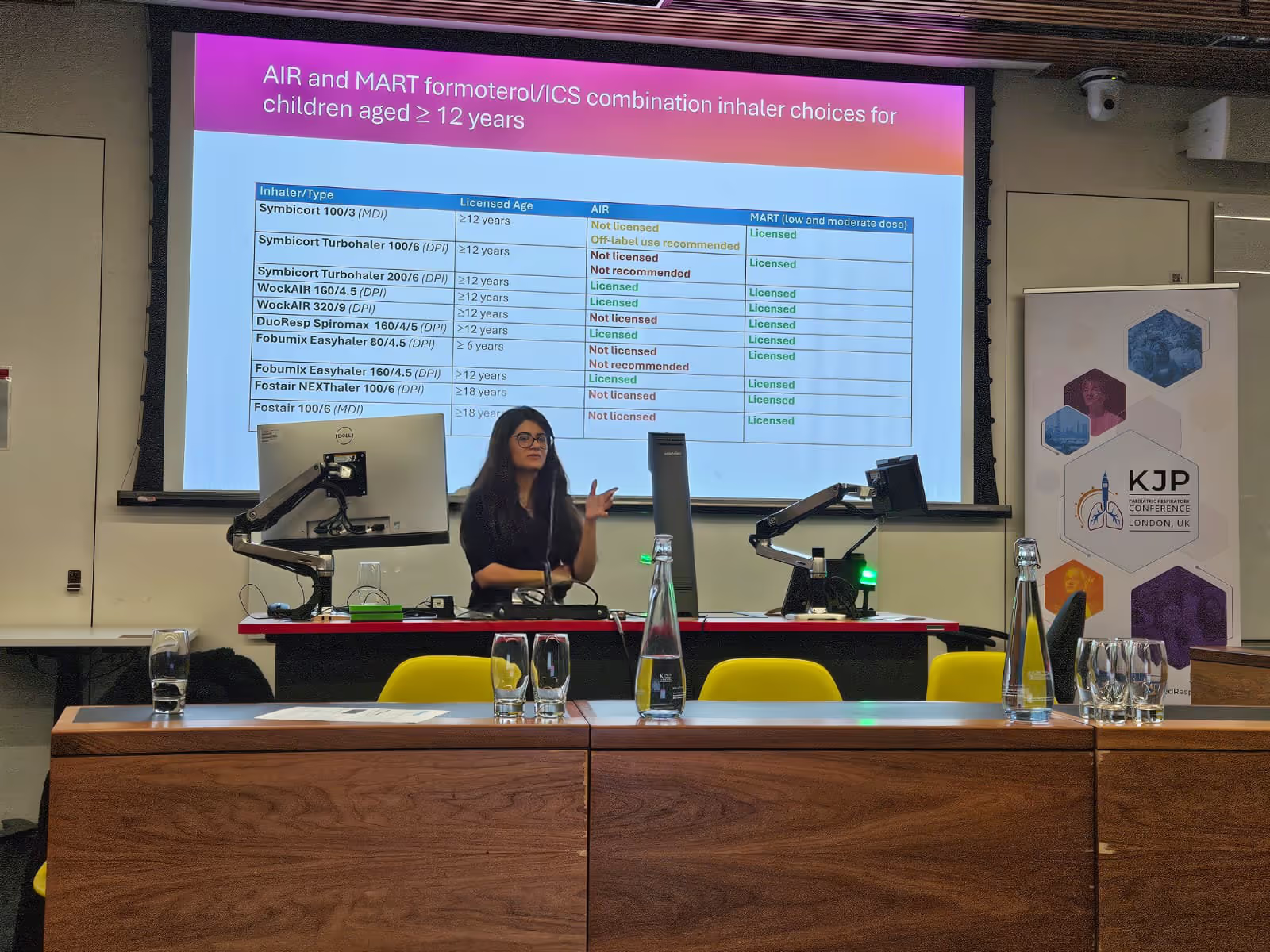
Despite an early start, enthusiasm remained high as delegates attended sessions on key topics including sleep issues in neurodiversity, the harms of vaping, and practical considerations in MART and AIR use, led by Dr Desaline Joseph, Ms Mira Osinibi, Ms Sukeshi Makhecha & Ms Bansri Bharania.
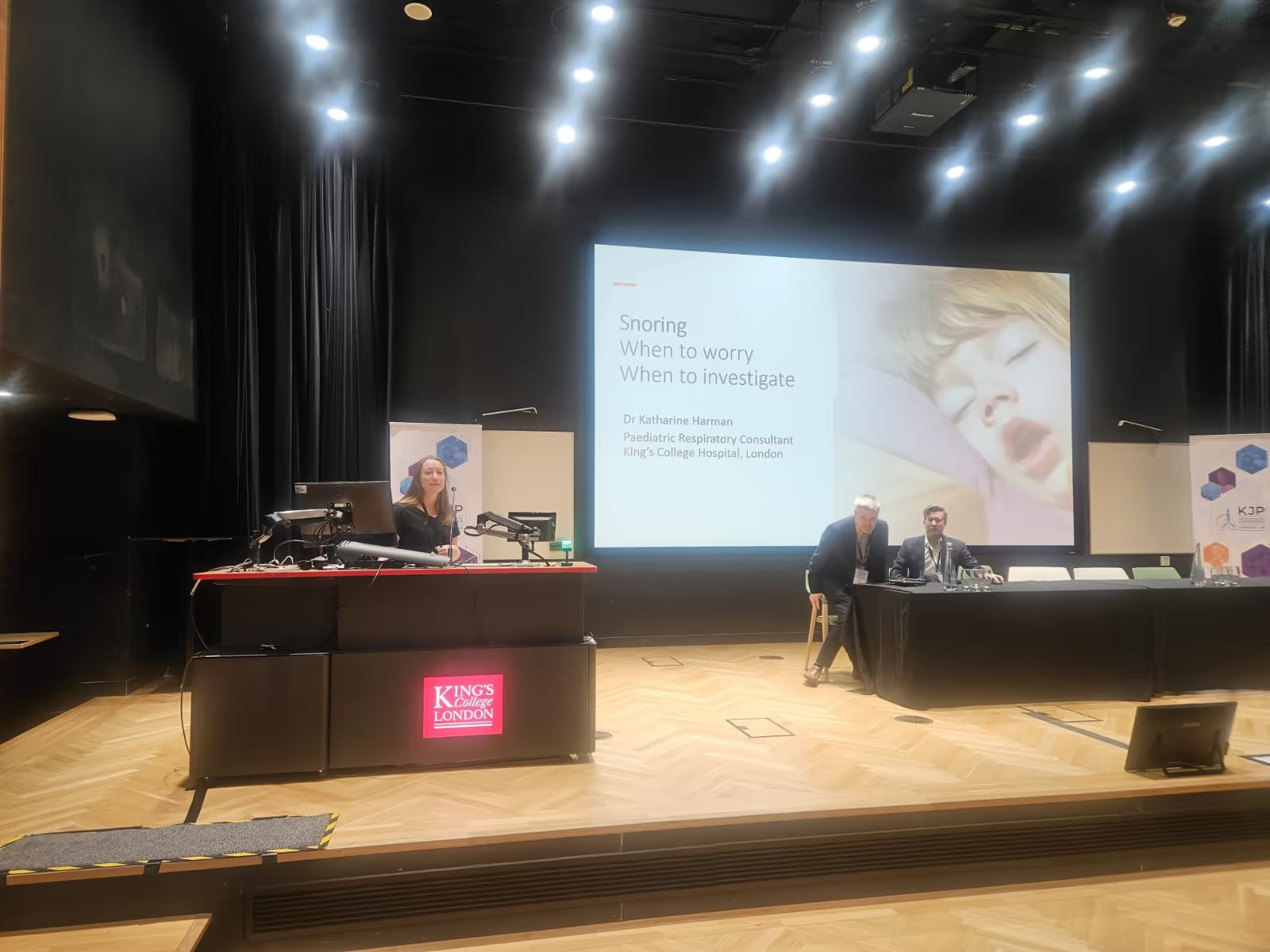
Subspecialty sessions followed. In the auditorium, Dr Kat Harman discussed when to investigate snoring, Prof Gillian Nixon reviewed the use of nasal sprays in sleep disordered breathing, and Dr Huileng Tan addressed how to manage residual OSA.
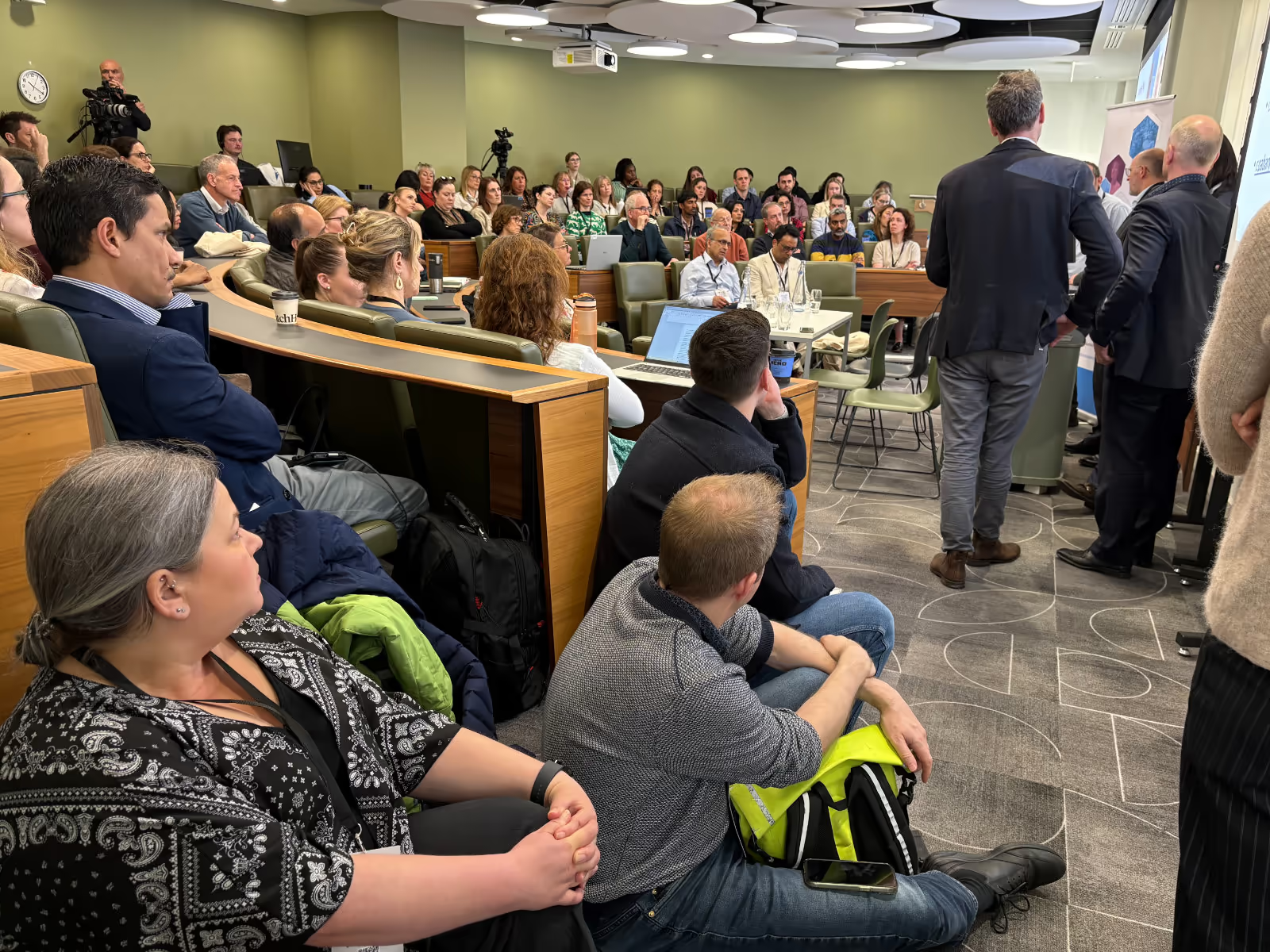
In another lecture theatre, trainees and experts explored emerging challenges in cystic fibrosis in the modulator era. Meanwhile, in another parallel session, Dr Matt Thomas talked to us about the evolving treatment strategies for complicated community acquired pneumonia, followed by Dr Austen Worth highlighting the importance of considering immunological causes when clinical presentations don’t fit, and Dr Rishi Pabary updating us on advances in ILD diagnosis and management, including our role on feeding back new genetic variants that may be significant.
After a short break, practical sessions commenced. Dr Kelechi Ugonna covered management of persistent cough, warning us to be especially cautious and proactive if Haemophillus influenzae is detected as the biggest risk factor for bronchiectasis progression. Miss Jessica Bewick discussed secretion management in neurodisability, and Ms Gemma Marsh shared approaches to asthma and dysfunctional breathing.
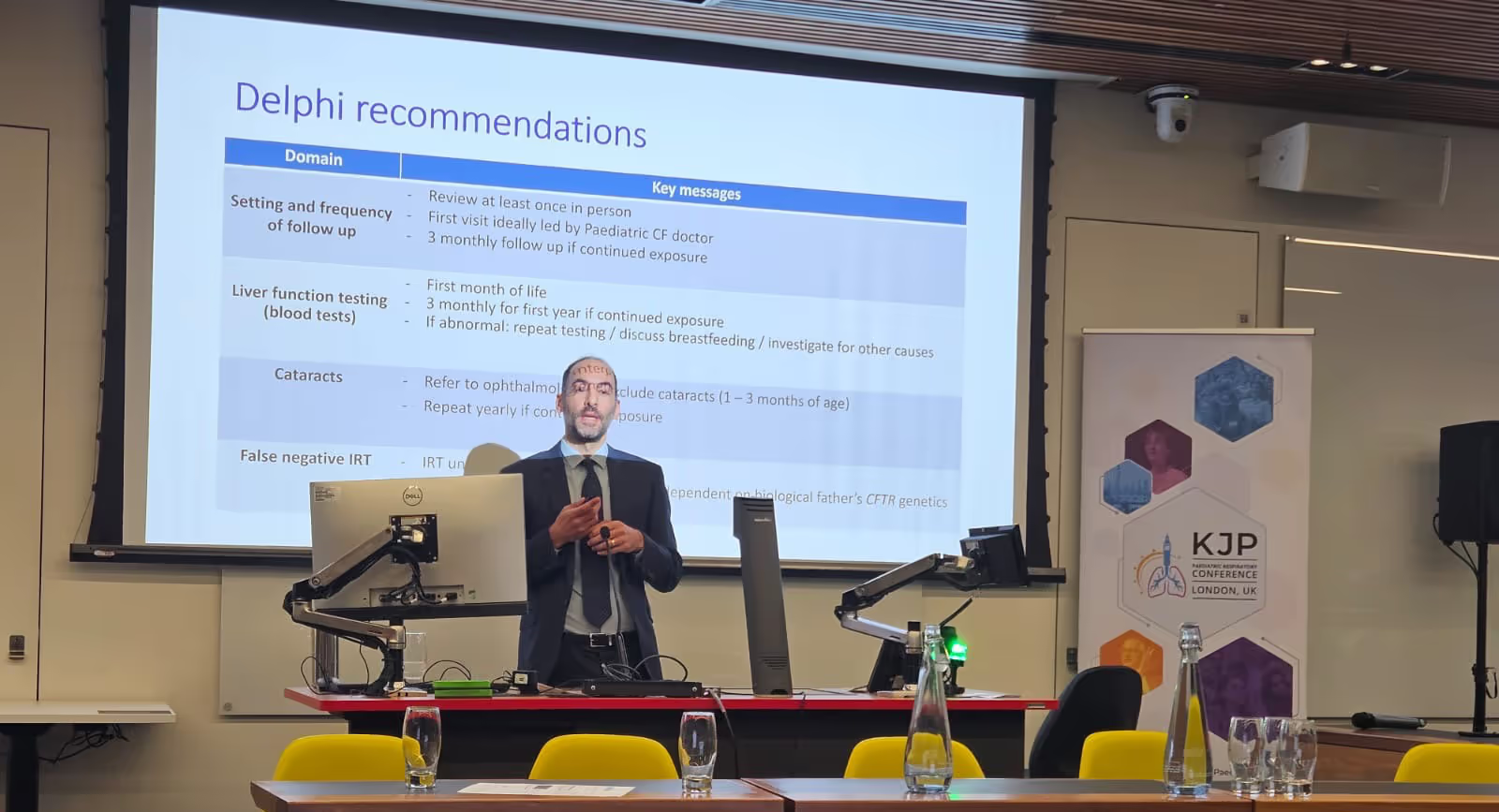
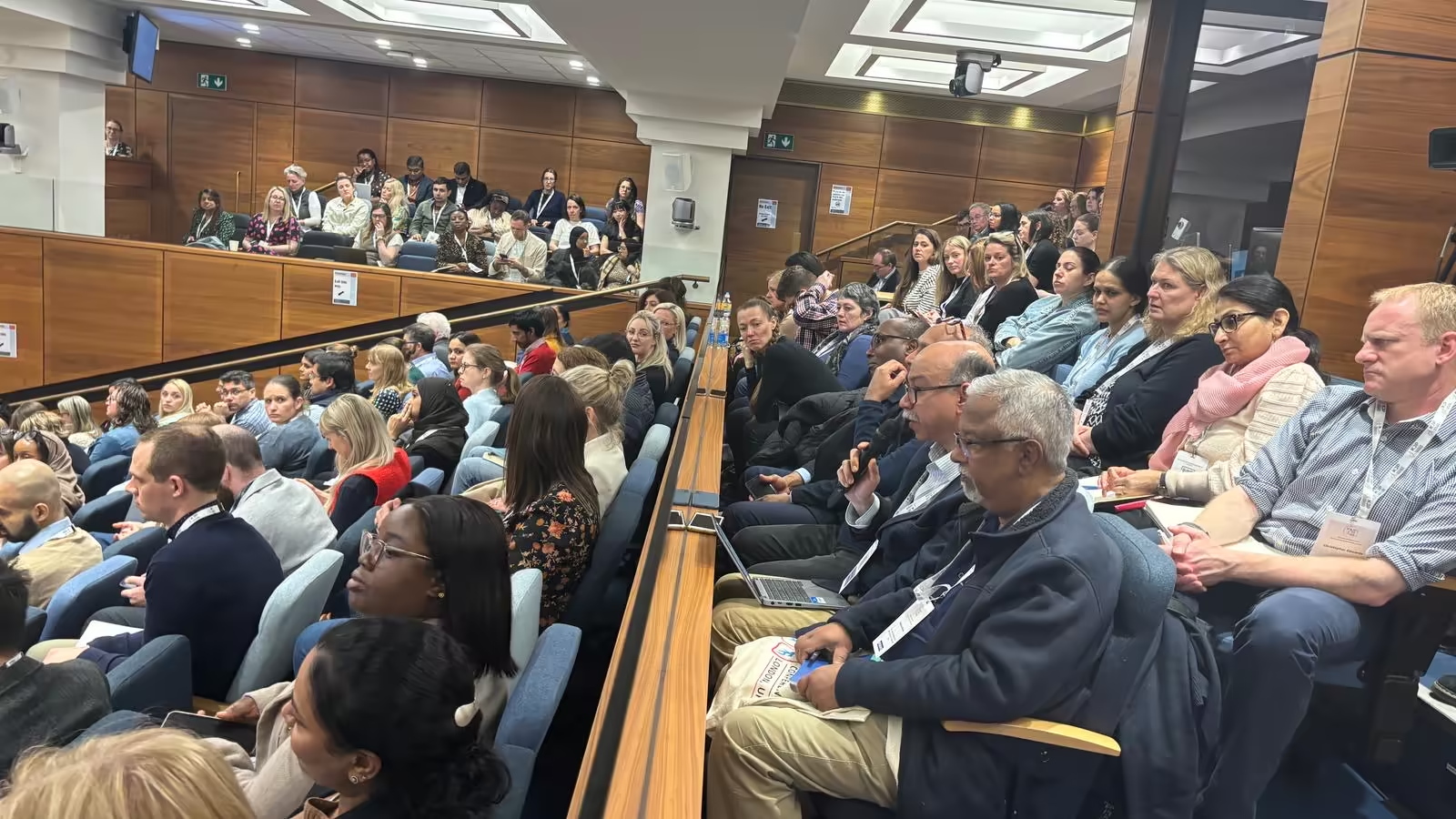
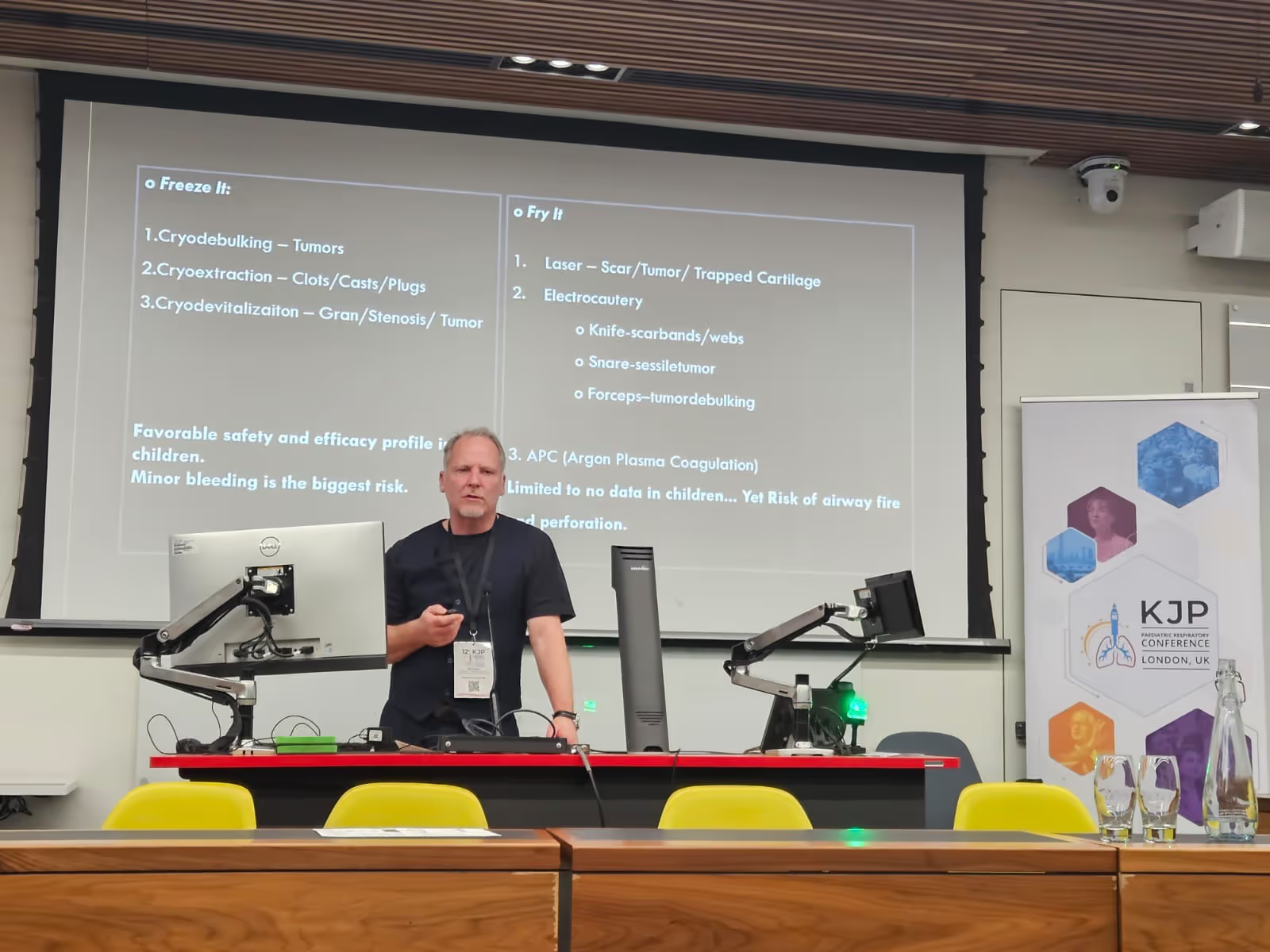
Another standout session for those lucky enough to find a seat in the overflowing auditorium showcased cutting edge techniques, including interventional flexible bronchoscopy, tracheal interventions with ENT colleagues, and pharmacogenomics, led by Dr Dirk Schram, Dr Claire Edmondson, Mr Liam Sutton, Dr Tom Ruffles, and Dr Elise Slob.
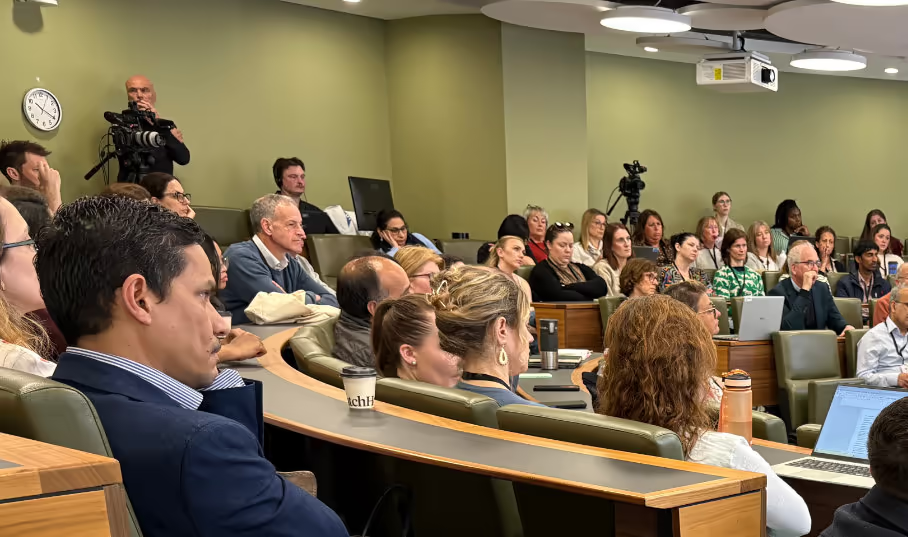
Asthma remained in focus in a dedicated session featuring Dr Jay Arumugam, Dr Sonal Kansra, Ms Bansri Bharania, Ms Laura King, Dr Jen Townshend and Dr Anil Shenoy; covering diagnosis, management, inhaler technique, action plans, and family education.
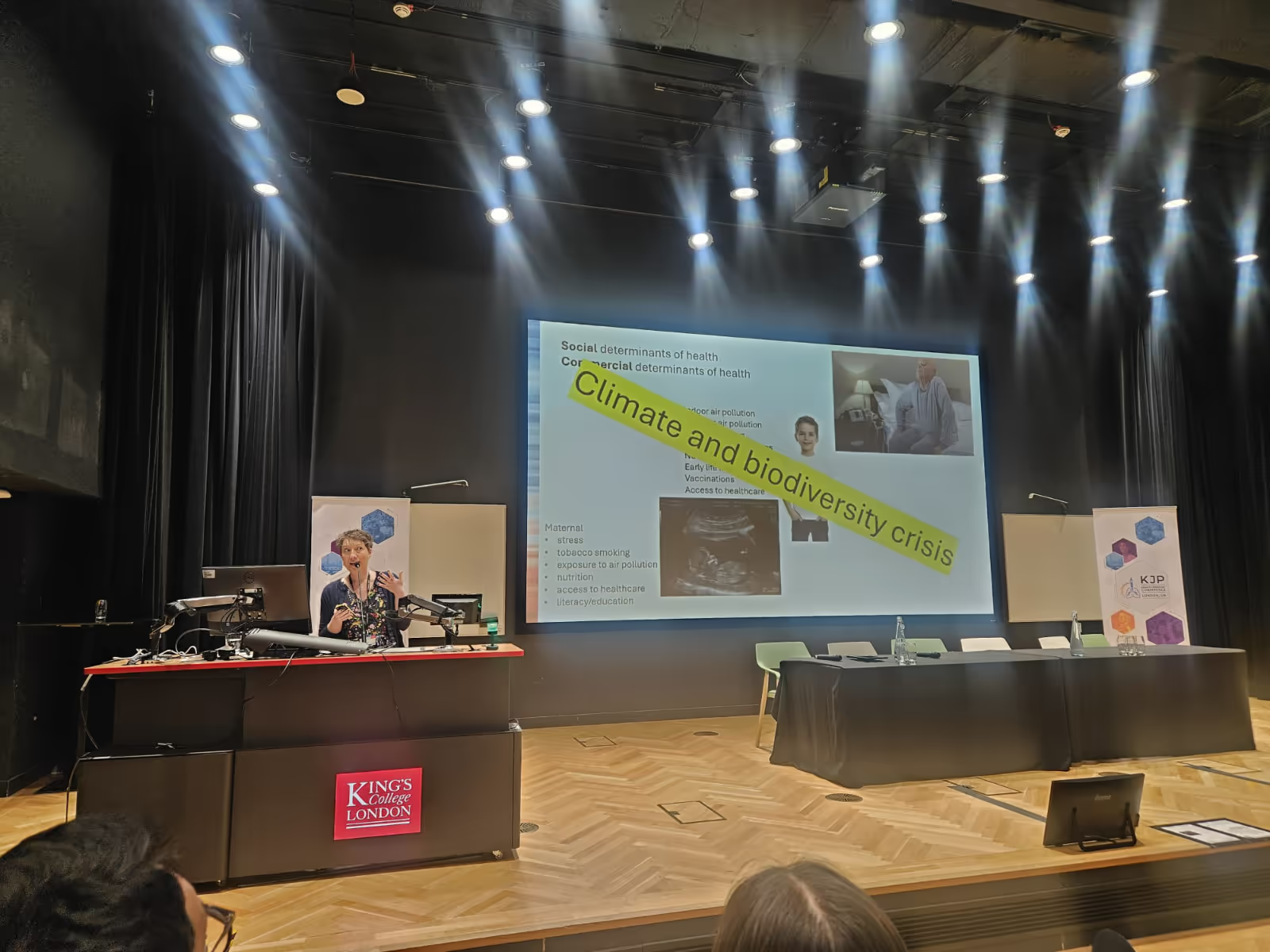
After lunch, Dr Laura-Jane Smith challenged us with seven things we could personally do to increase sustainability, Prof Ian Sinha took it down to a local level discussing health inequalities, and Dr Ian Balfour-Lynn led an engaging update on microplastics. This provoked so much audience discussion that many stayed to continue during their coffee break.
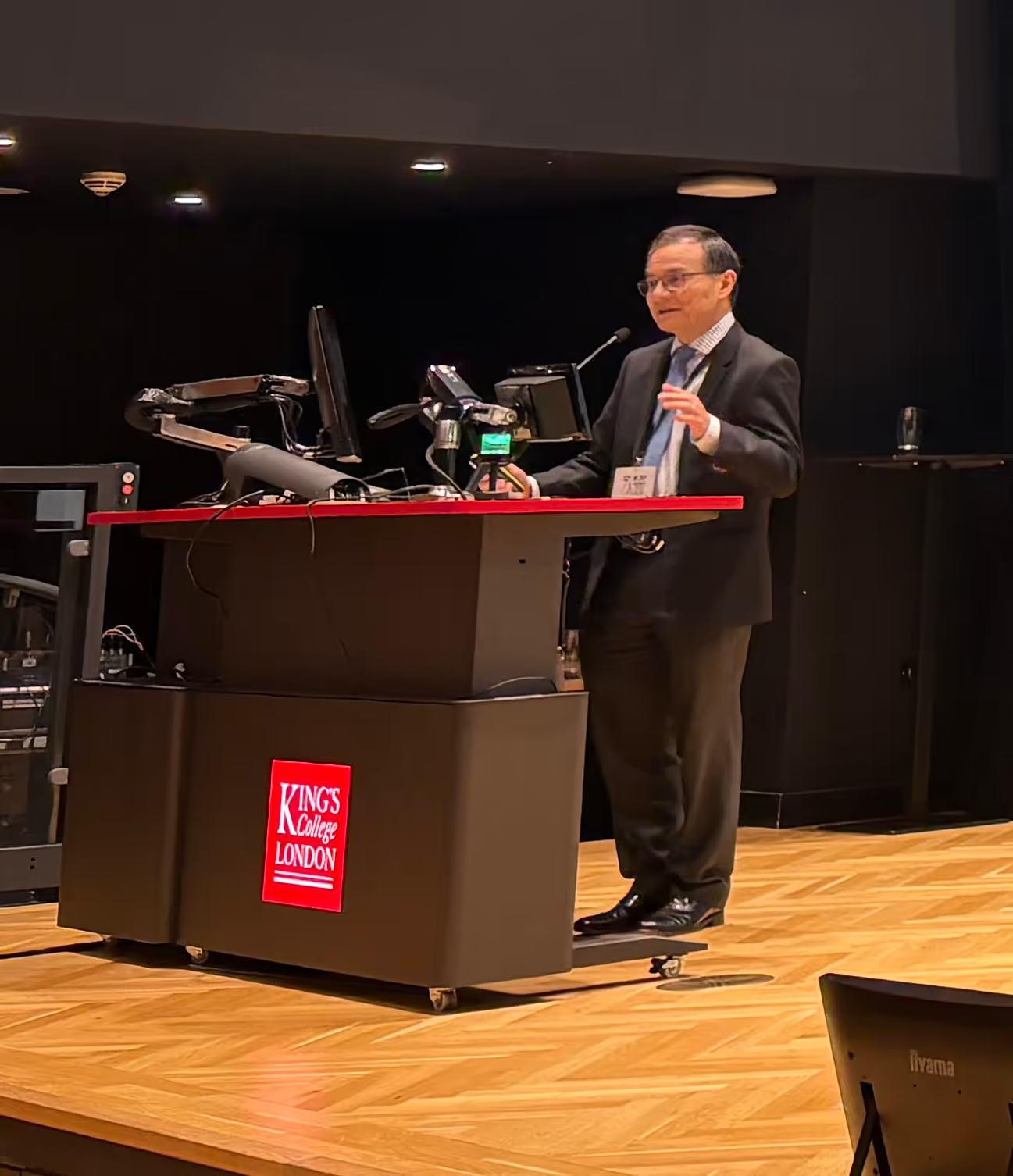
Diagnostic sessions on allergy testing (Prof Helen Brough), spirometry and FeNO (Ms Kirsty Lazarus), and oximetry (Dr Zara Howarth and Dr Hazel Evans) were particularly well received. The interventional bronchoscopy workshop also drew strong interest, being such an up-and-coming topic!
All delegates then reconvened for a sponsor session on key aspects of asthma care, followed by a compelling talk from our returning speaker, The Honourable Mr Justice Hayden, on the complex decisions surrounding withdrawing and withholding care in children.
Last but definitely not least, to close the conference, Dr Gary Ruiz delivered an inspiring review and reflection on 30 years of change in respiratory medicine, leaving young trainees motivated for the future.
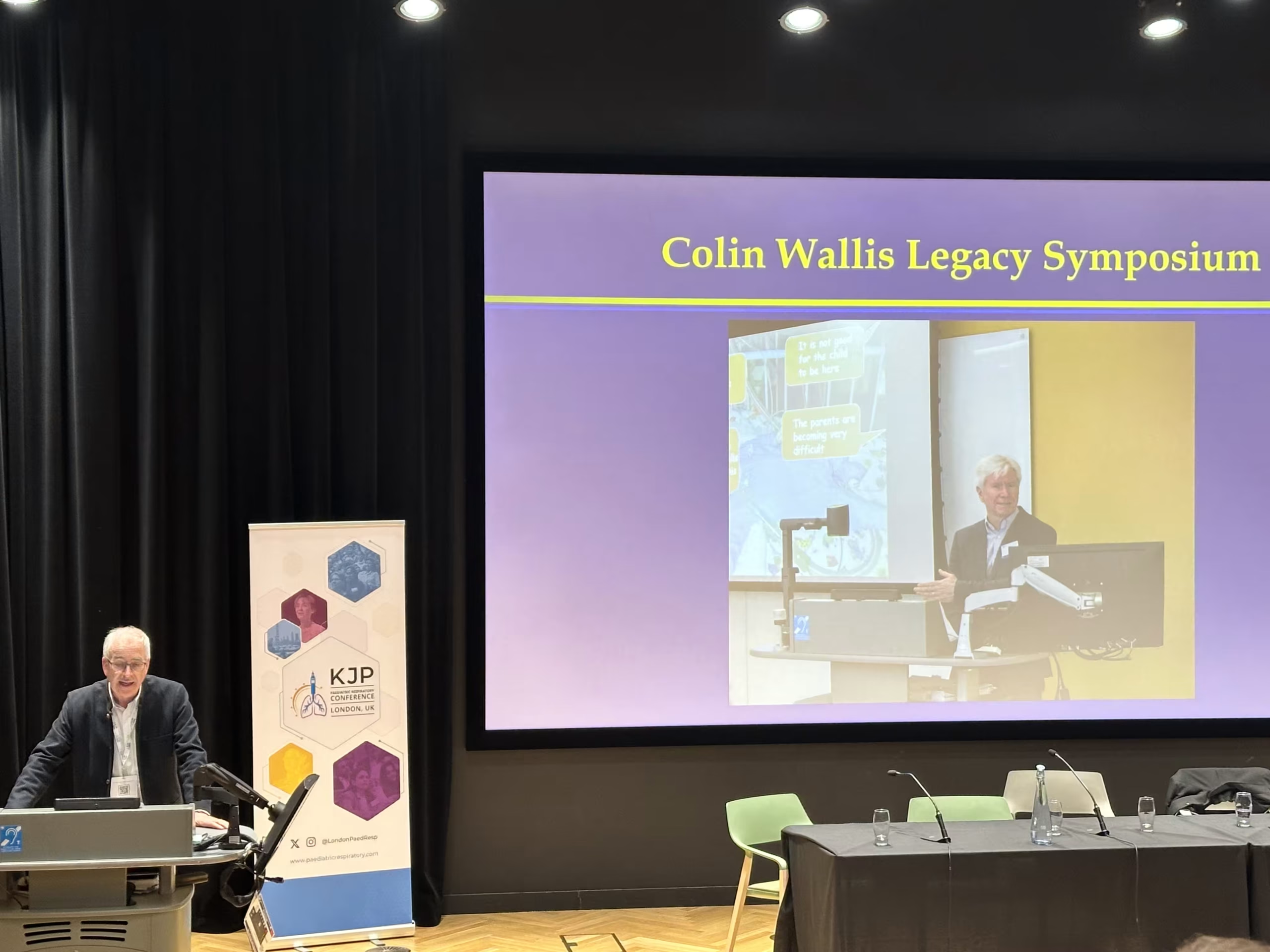
The high standard of oral presentations deserves a special mention, covering diverse topics from environmental health and preschool wheeze immunophenotyping to asthma care, bronchiectasis, and imaging in preterm infants. In recognition of such excellence, The Colin Wallis Prize was awarded for outstanding contributions at the conference; the award for Best Poster Presentation went to Dr Elena Rybka (Imperial College Healthcare NHS Trust) and her colleagues for their work on Community Diagnostic Centres in the diagnosis of Children and Young People with Asthma, while the Best Oral Presentation was awarded to Dr Katie Bonner (Royal Brompton Hospital) for her presentation on Lower airway immunophenotyping of neutrophils in severe preschool wheeze.
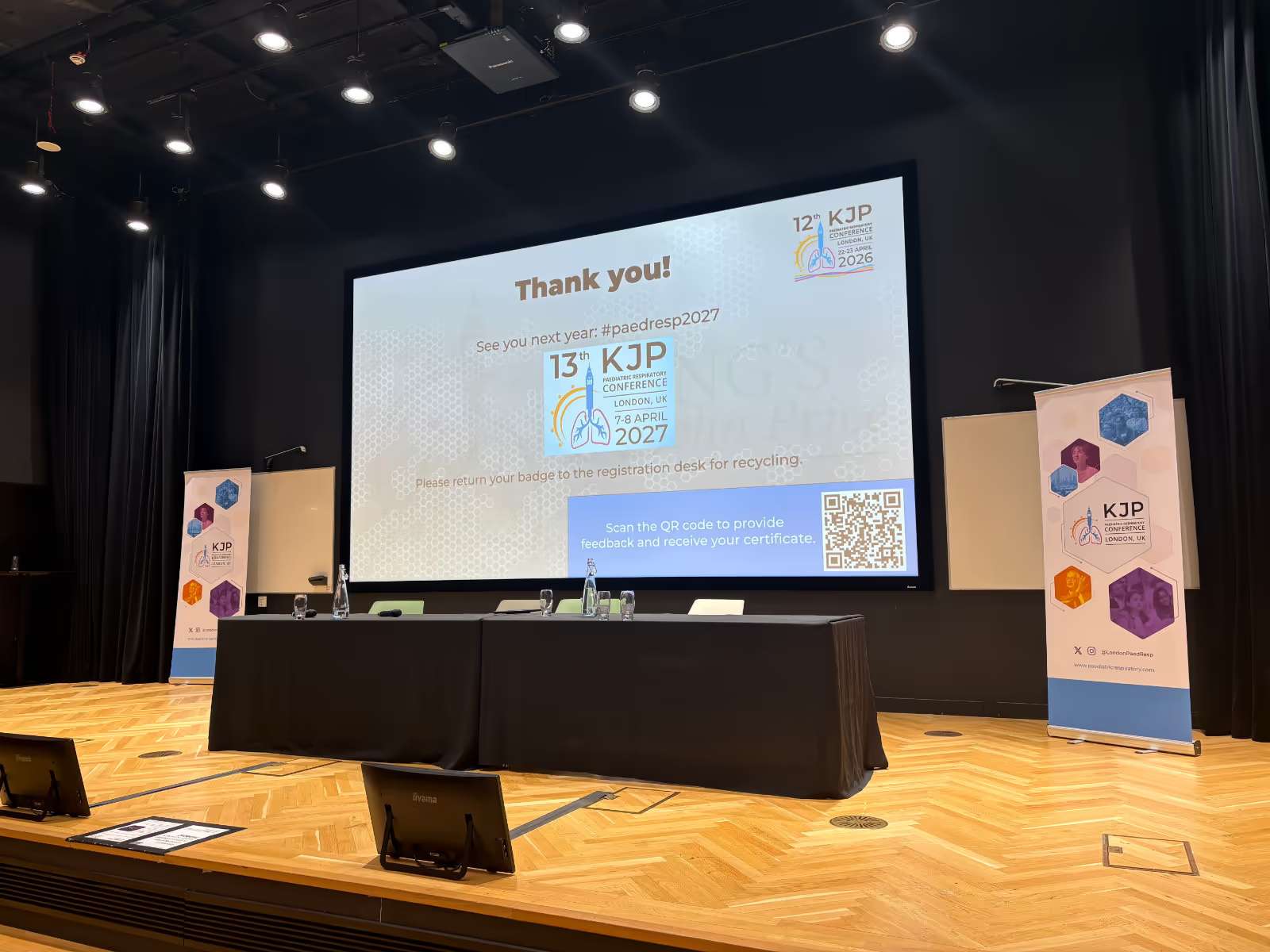
Congratulations once again to all the winners and participants for their inspiring contributions to the field. We look forward to seeing the progress and outcomes of everyone’s ongoing hard work in a year’s time! Don’t forget to save the date for the 13th KJP Paediatric Respiratory Conference, 7-8 April 2027.

Paediatric respiratory medicine is evolving at a rapid pace – presenting exciting innovations and significant challenges to our daily practice.
From the GP practice to the Emergency Department and upwards to the specialist clinic – our management strategies are being revolutionised by advances in drug development and new evidence-based research.
Once again, the whole paediatric respiratory multidisciplinary team will be welcomed to hear world-leading experts of all disciplines in respiratory medicine. We welcome nurses, physiotherapists, all other allied health professionals, GPs, general paediatricians, as well as sub-specialist paediatricians and students.
To cater to everyone’s needs, this year's conference will boast two streams covering important topics such as asthma, infection, radiology, home ventilation, neonatal lung disease, Cystic Fibrosis, Covid-19, sleep, and allergic disease, and respiratory paediatrics for generalists. Participants will be able to choose from a wealth of sessions in order to create a bespoke itinerary that suits their personal interests.
What Previous Delegates Said
99.2% percent of survey respondent’s from 2019 would recommend the conference to a colleague.